FILE PHOTO: An exhibit booth for firearms manufacturer Smith & Wesson is seen on display at the International Association of Chiefs of Police conference in Chicago, Illinois, October 26, 2015. REUTERS/Jim Young/File Photo – RC11E7FED7A0
Many see the individual right to bear arms as a basic American human right secured by The Second Amendment of the United States Constitution. However, from 1791 to 2008 the matter has been debated:
by attorneys and senators, slave owners and freedmen, judges, Black Panthers, governors and lobbyists. For some, the militia was key; for others the right that shall not be infringed; for yet others, the question of states versus the federal government.
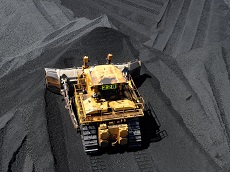
The development of Adani’s Carmichael mine has always been sold as a job-creating venture. In fact it will be a highly automated mine, creating jobs mostly in the cities. A new report has found that the development of Carmichael and the subsequent development of the Galilee basin will cost about 12,500 jobs in existing coal mining regions and replace only two in three workers. Continue reading Adani will cost jobs→
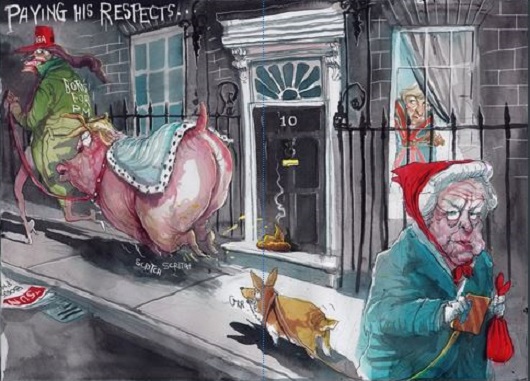
It’s hard to pick a highlight, but for me this David Rowe cartoon of Trump paying his respects at 10 Downing Street after a gala welcome and a sedate dinner gets the gong:
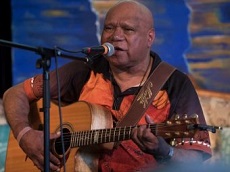
A highlight for me this week was listening to the many segments on ABC RN themed with NAIDOC Week, where the theme was Because of her, we can. Fellahs too, including Archie Roach: a life in song. I loved his cosmology in explaining The Dreaming. We all come from star dust, and to star dust we will return. Straight out of Brian Cox, but he feels it in every molecule of his body, fundamentally feels connected with all living things, and wants to share. Like Buddhism, really. Continue reading Saturday salon 14/7→
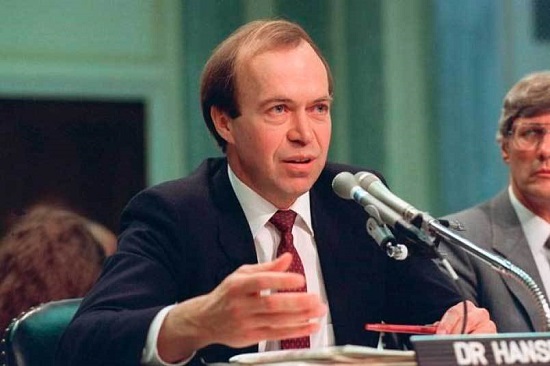
In 1988 James Hansen gave his famous testimony to the US Senate. For the short story, go to Tamino at Open Mind. For the longer story, Gavin Schmidt at RealClimate, plus the commentary thread is best.
Hansen told the politicians that our production of greenhouse gases, principally CO2, N2O, CH4 and CFC, were warming the climate. He said temperatures would go up in the coming years: Continue reading Hansen got it right→
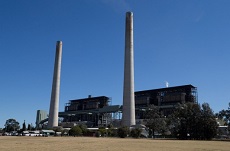
Their new gas plant will not supply ‘baseload’ power. rater, it will be fast-start and run on demand, operating only at peak times or when other plants suffer outages. This indicates it will mainly operate on the spot market, but in doing so will help prevent spikes up to the maximum $14,000 a megawatt-hour limit. Continue reading EnergyAustralia targets niche created by Liddell closure→
First up there are all kinds of figures going around. The big one – $9 billion dollars – is over 10 years. So the annual figure of less than a billion is a mere rounding error in a Commonwealth budget of around half a trillion. Nevertheless all dollars are accounted for, so Annastacia Palaszczuk is right to ask where the money is coming from. Continue reading The great GST fix→
As reported in the New Scientist, Frédéric Marin, an astronomer at the University of Strasbourg, France and Camille Beluffi, a physicist who works for Casc4de, a data firm in Strasbourg, have done a thought experiment on the feasibility of reaching the nearest Earth-like planet, which happens to be Proxima b, around 4.25 million light years away, a mere 40 trillion km. Continue reading Saturday salon 7/7→
On Wednesday morning Ben Potter’s article in the AFR Coalition fiddles as renewables remake grid told business leaders and politicians what is actually happening before their eyes.
Last September I charactarised the politics we were getting from the major parties as Kill Bill or any distraction vs a fair go. The scribes in the Oz commenting on the latest Newspoll see Turnbull’s star rising, and the banner headline
Shorten pays for tax debacle
In the 5-8 April poll Turnbull’s satisfaction rating was 32-57 for a net negative -25. He’s been steadily improving and is now 42-48, a mere -6.
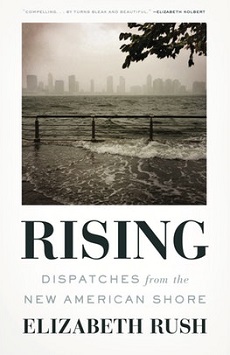
1. Rising: Dispatches from the New American Shore, by Elisabeth Rush
A review by Dave Hage at Star Tribune of Elizabeth Rush’s new book Rising: Dispatches from the New American Shore says it is “a lovely and thoughtful book, so lyrical that you forget how much science it delivers.”
Rush, who teaches creative nonfiction at Brown University, has chosen to examine climate change through the lens of American places and people devastated by rising seas and higher temperatures. Reading her book is like learning ecology at the feet of a poet rather than a scientist.



 A highlight for me this week was listening to the many segments on ABC RN themed with
 First up there are all kinds of figures going around. The big one – $9 billion dollars – is over 10 years. So the annual figure of less than a billion is a mere rounding error in a Commonwealth budget of around half a trillion. Nevertheless all dollars are accounted for, so Annastacia Palaszczuk is right to ask where the money is coming from.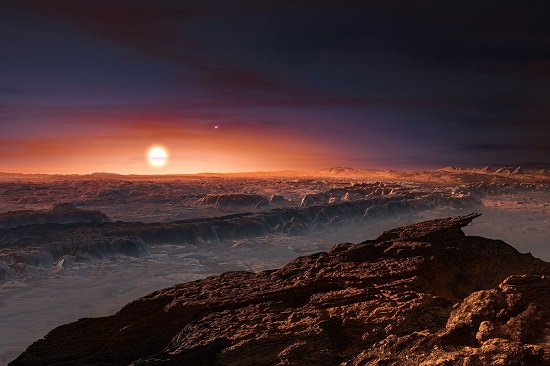
 Last September I charactarised the politics we were getting from the major parties as
 A
A