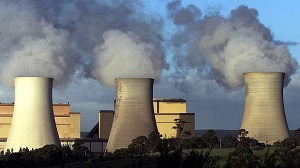
Futures contracts on the ASX Energy market for electricity delivered in 2016-2018 are between $86 and $90 a MWh in South Australia, compared with between just $37 and $41 MWh in Victoria and between $43 and $48 MWh in NSW.
Back in 2011, we wrote about a fascinating new way to heat-treat regular, cheap steel to endow it with an almost miraculous blend of characteristics. Radically cheaper, quicker and less energy-intensive to produce, Flash Bainite is stronger than titanium by weight, and ductile enough to be pressed into shape while cold without thinning or cracking. It’s now being tested by three of the world’s five largest car manufacturers, Continue reading Climate clippings 160→
The Palaszczuk government in Queensland came into power with a policy for 50 per cent renewable energy by 2030. Giles Parkinson says:
The state of Queensland appears ready to embark on what could be one of the most radical transformations of its electricity network ever undertaken – even by standards of ambitious mandates in places such as California, Germany and Denmark.
I’ve just discovered this one from August, where Ben Eltham unloads on Greg Hunt, calling him our first minister for pollution:
There are no kind words that can be said about Greg Hunt. When it comes to protecting the environment he is useless, and actually seems to revel in eviscerating the portfolio he is responsible for. Continue reading Climate clippings 159→
Negotiators at the Paris climate talks have done well to produce a complete text of some 48 pages. It was around 100 at the beginning of the year. The only problem is that they have essentially decided nothing in the first week of the talks. Disputed or unresolved text is bracketed and there are 939 sets of brackets for the ministers, who have now arrived, to deal with. At least it’s clear where the problems lie. The Saudis continue to obstruct; the Indians are playing a “blocking role”. Continue reading Paris climate talks at a tipping point→
Scientists carefully monitored a coral reef in Bermuda for five years and what they found surprised them. According to the New Scientist, they
discovered that the coral growth itself drove up this local acidity. To build their skeletons, it seems the corals sucked alkaline carbonate out of the water, leaving it more acidic.
In what it has called a “historic, landmark case”, the ACF argues that Federal Environment Minister Greg Hunt failed to consider whether the impact of burning coal and climate pollution would be inconsistent with Australia’s international obligations to protect the Great Barrier Reef. Continue reading Adani’s Carmichael coal mine faces new legal challenge→
Obama has rejected the proposal to build a pipeline to bring tar sands oil south from Canada to refineries in the Gulf Coast.
Obama said Friday that the State Department, in its final Environmental Impact Statement, found that the pipeline would not be in the country’s national interest. “I agree with that decision,” he said.