A glass more than half full

Economist John Edwards questions the notion of an economic crisis (Laura Tingle in the AFR, paywalled, unfortunately) in relation to the resources boom. For at least nine years, Ross Garnaut has been warning about “The Great Complacency”, that we are squandering the benefits of the resources boom and are ill-prepared for its aftermath. Andrew Charlton, talking to Phillip Adams, has a nuanced view, but sees difficult days for us if China crashes, builds less infrastructure and needs less of our iron and coal.

Charlton regrets the eight tax cuts delivered by Costello and Howard. People often talk of Norway, but Chile too has long created a sovereign wealth fund to lock in permanently the benefits of mining. We have largely spent the benefits on consumption.

Edwards fingers those tax cuts also, but questions the very nature of the ‘boom’. Edwards points out that in the 10 years prior to the resources boom Australia grew more rapidly than during the socalled boom years. Other factors, such as the GFC, have had a greater impact.

He says we haven’t just “complacently dozed through an unparalleled opportunity to reshape their nation and prepare for the challenges ahead.”

“Australians have been saving more, investing more, working more and learning more”, he says.

“During the mining boom Australia’s capital stock has increased by nearly two-thirds, a larger share of Australians have jobs, the share of young people in training and higher education has increased markedly, household saving has increased from zero to one-tenth of household disposable income, national gross saving has risen to well over one fifth of GDP, the current account deficit has narrowed, household credit growth has slowed sharply, and Australian banks have dramatically reduced their dependence on foreign borrowing and thus the vulnerability of Australia’s financial system to global shocks.

“Of the biggest investment boom in Australian history, well over four-fifths has been matched by Australian savings.”

(I wonder how that last fact matches with the often repeated claim by Hockey et al that we are borrowing overseas to pay the interest on our government debt.)

Edwards big emphasis is on human capital, which we have been developing and will serve us well, with further development, in the future.

Economic change is about more than money. During the years 2003 to 2013 a net 2 million long-term migrants settled in Australia.

“This vast, transformative migration, the full effect of which has yet to unfold, has occurred not only without serious controversy, but almost without notice”.

The socalled budget ‘crisis’ is mainly a revenue problem. It will be fixed by some restraint, certainly, but mainly by restoring revenues to historic percentages of GDP. I pointed out here that Hockey has manufactured a crisis by limiting revenues to 23.9% of GDP. Lifting that by a notch or two, manageable over time by bracket creep, would do wonders for the deficit.

Edwards argues that we need “continuous reform and adjustment to entrench our prosperity, but in order for it to be deliverable it has to be based on a recognition of success and making sensible claims for the outcomes”. In that we need to be careful that ‘reforms’ don’t advantage one group to the disadvantage of another.

Nevertheless, the high dollar, now based on our comparatively high interest rates rather than the price of commodities, which have been falling, is still a drag on traditional areas such as agriculture and tourism as Charlton notes. But overall, he says, mining employs far fewer people than knowledge based services and elaborately transformed manufacturing.

Edwards says that it is in these areas, exporting services and goods to the developing markets of Asia, that our future opportunities lie.

Edwards says that people no longer believe the crisis story, “the story of prolonged failure; imminent catastrophe, sweeping advantages that flow from the kinds of reforms that are sometimes advocated.” Tingle says this:

poses some big questions for our political class about whether they need to, or are even able to envisage, a different script to the one that has dominated their working lives and institutional memories.

There’s an opening for a political leader who excites us with vision, just as Kevin 07 did perhaps a little in an era now fading into the past.

John Edwards is an economist who is a member of the Board of the Reserve Bank of Australia, Visiting Fellow at the Lowy Institute for International Policy, a member of the Board of Skills Australia and Adjunct Professor at the John Curtin Institute for Public Policy at Curtin University. In January 2012 he was appointed one of three members of the Australian Government’s Review of the Fair Work Act. He just published ‘Beyond the Boom’, a Lowy Institute booklet.

Lateline also has the story.
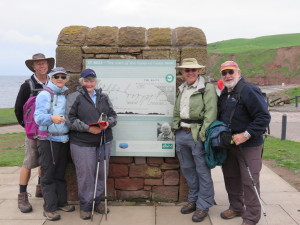
A Coast to Coast odyssey: Stage 3 – Ennerdale Bridge to Black Sail YHA

Our stay at the Shepherds Arms Hotel in Ennerdale Bridge was delightful.  A special highlight was barman Callum – he has an honours degree in English from Newcastle University and is now studying for his PhD.  His program involves completing a thesis during the first part of his candidature, and then writing a novel.  And his thesis topic?   –  ‘Miltonic Ideas of The Fall in the Romantic Period – 1790 to 1825’ …. or translated, ‘What they thought about Adam & Eve, the snake and the apple in Milton’s day!’.  Our friendly Soil Scientist was enthralled and seemed to engage Callum in animated conversation about his chosen topic at every opportunity!

Drying walking gear on an extended hike like this can be a problem.  Some accommodation houses have drying rooms, others have the central heating units in the rooms and still others have nothing (ie, central heating not on because it is thought to be warm enough without it (probably is, too – but doesn’t help when you are trying to dry clothes overnight)).  At the Shepherds Arms, they have a drying room, but only staff are allowed access to it …. seemed like a very strange system to us – were we that untrustworthy?   It meant that the washing that we had all done in a bath attached to my single room (remember, we were in plenty of mud on Dent Fell earlier in the day) came back the next morning in a complete jumble!  I lost an expensive pair of hiking socks as a result of this fracas.

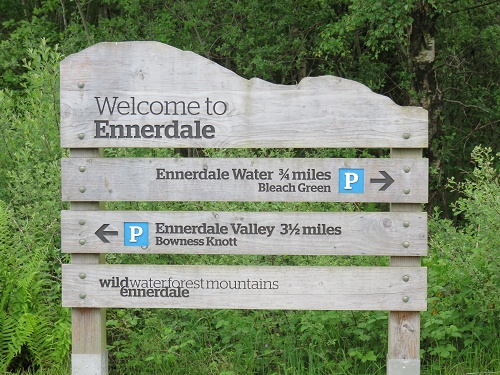
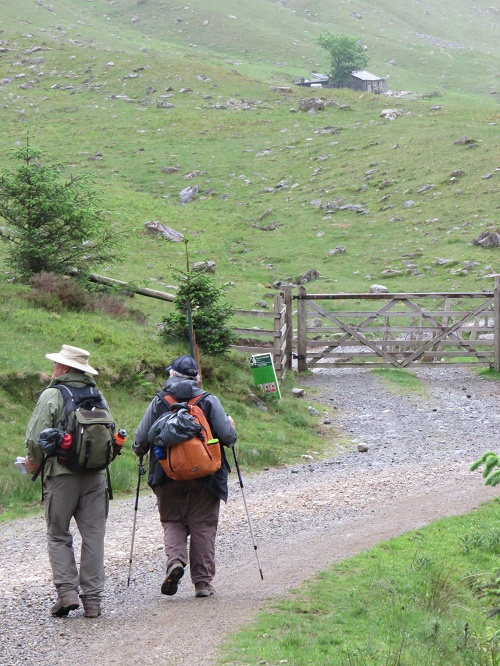
Once we had sorted the chaos of our laundry as best we could and collected our prepared sandwich for lunch, we were off for our 14 km hike to Black Sail YHA.  Our route took us first along roads out of town, then along the banks of Ennerdale Water and finally along a local gravel road that progressively deteriorated as we approached the very isolated Black Sail YHA.  Sherpa Van, our accommodation and bag transport company of choice, would not deliver our bags to Black Sail YHA because of the poor standard of this road,  so we had to carry sufficient for two days of walking plus one overnight stay in our ‘day-packs’.  This made them just a little heavier than on the previous two days.

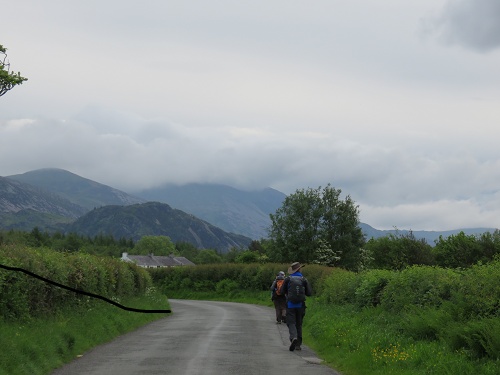
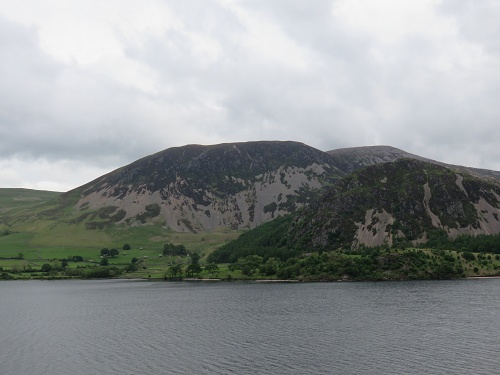
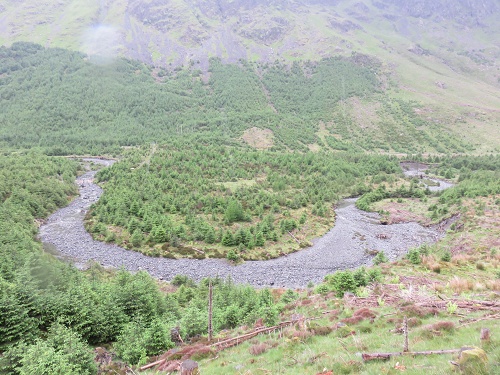
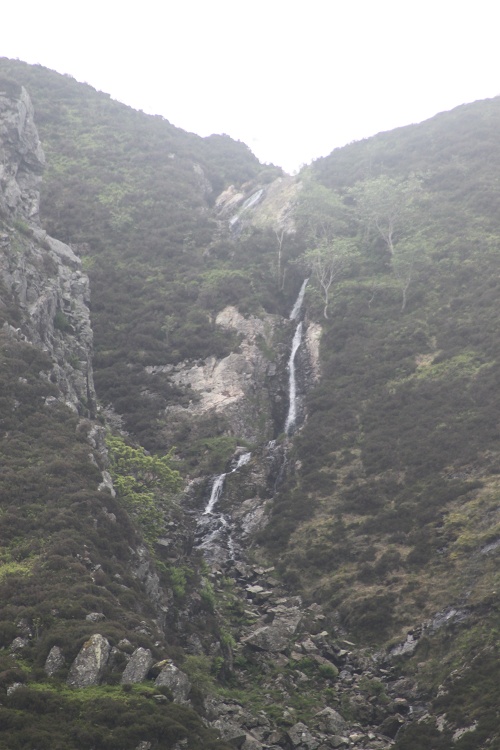
So we’re off and headed towards the valley at the right of this picture.

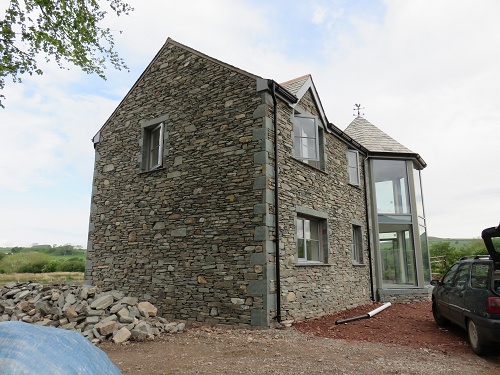
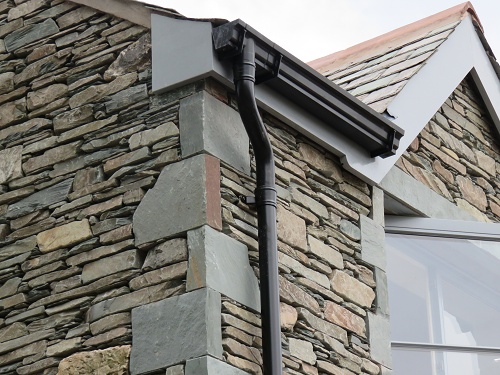
IMG_0507aOn the way out of Ennerdale Bridge, we came upon an attractive new house constructed mainly with slate.  IMG_0505aNotice the large conservatory on both levels – will be great in winter!  And the detail of the construction looked quite complicated.  IMG_0506aI have no idea how they build these walls, but they look impressive and I hope they last just as well as the old buildings with 40 to 50 cm thick walls!

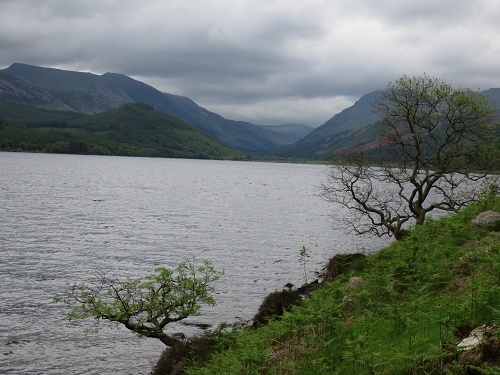
Pretty soon we were out of town and heading towards the local lake (and water supply) – Ennerdale Water.

IMG_0512a

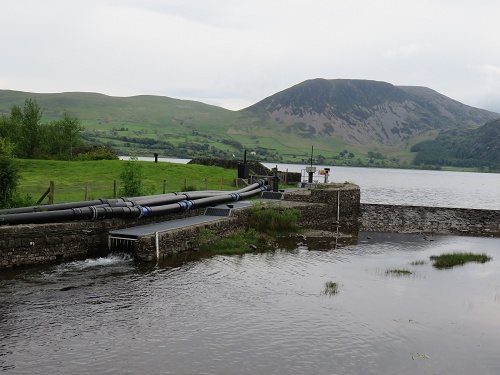
It appears that the level of the lake has only been raised a little to make it into a reliable water supply for local towns.  Apparently this ‘lake’ supplies water to around 60,000 households.  IMG_0519a

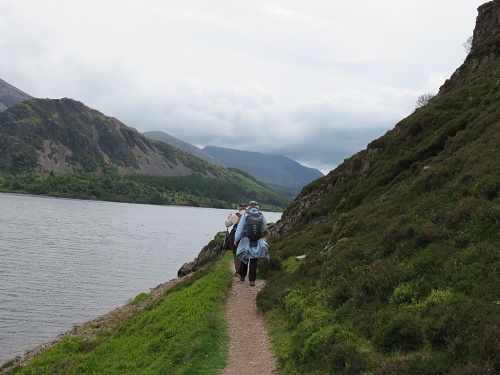
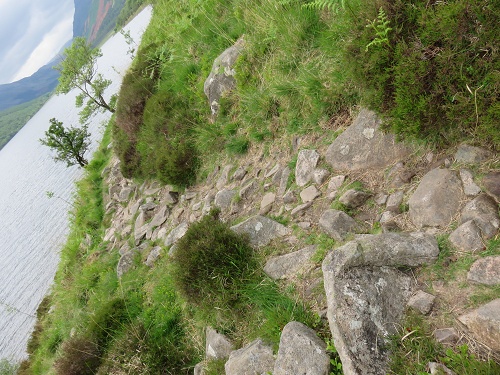
The walk along the banks of the lake was a highlight of the day, starting with a very well-made walking track.

IMG_0527a

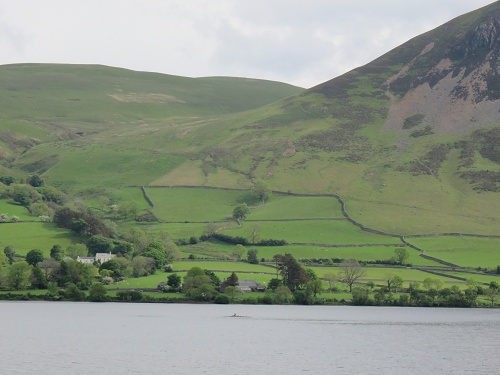
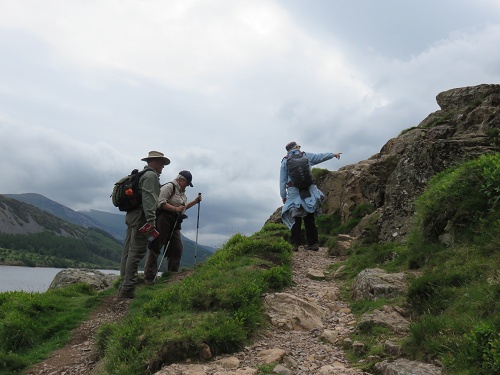
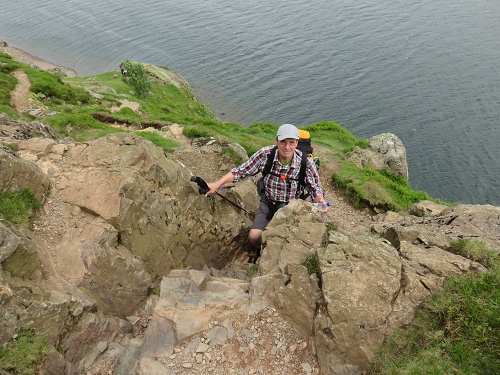
And the sheep grazing lands on the opposite bank were a delight with their dry stone walls.  IMG_0525aPretty soon we came to a feature named (for no known reason) ‘Robin Hoods Chair’.  ‘You mean we have to go up there?’ –  Tricia seems to be saying! IMG_0534aSeems like the answer is – ‘Yes!’.

For about half a day, we walked with a chap called Richard who was doing the C2C solo.  So he was up for a chat on any topic that anyone wanted to raise – and a thoroughly pleasant fellow he was too.  He was on a much more punishing schedule than us, covering about twice the distance we did that day.   Here he is, heading up towards Robin Hoods Chair.  IMG_0535a

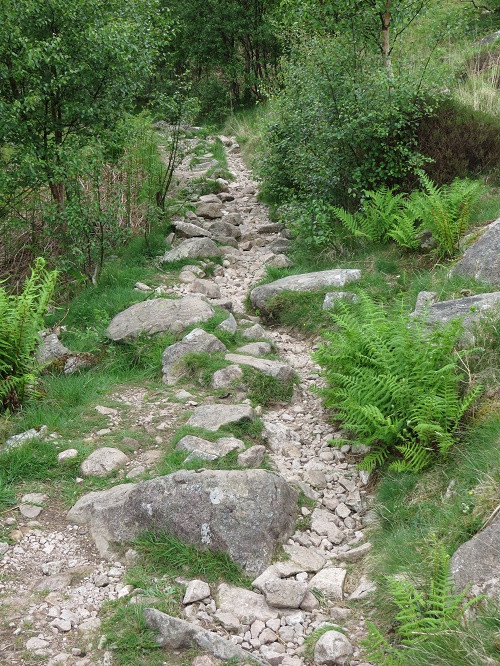
After this steep and rocky diversion from the water’s edge, the path started to become a little rougher – a foretaste of things to come as we continued our journey into the heart of the Lake District.

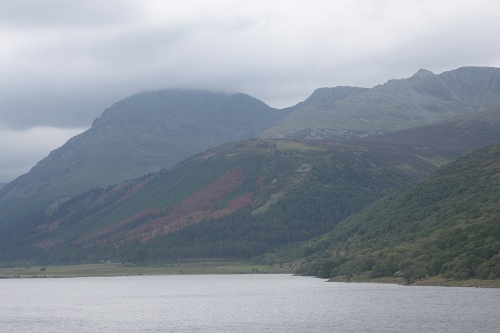
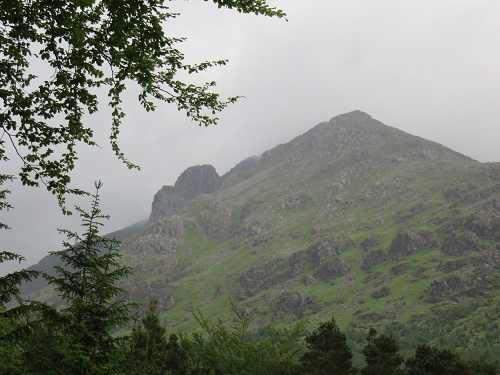
IMG_0551a IMG_0550aBut the scenery was no less spectacular!  In the middle of the picture below you can see the valley that we were headed for.  At the start of the day, some of us had been keen to take the alternative high route, via the ridge and peaks on the upper left of this photo, particularly over Red Pike, High Stile, High Crag and Hay Stacks as you move along the ridge.  As you can see, the clouds were getting low and in fact the rain started shortly before we reached the turn-off to Red Pike.  So we decided against the high route.  But Laurie was still keen, so later he took a solo side trip up to near Hay Stacks.  When he arrived later at Black Sail, he reported that there were lots of people up on the high path – seems like these Lakeland folk don’t let a little cloud and rain put them off!    IMG_0546aAs well, we were starting to see more large scree slopes, typical of true Lakeland landscapes. IMG_0542a

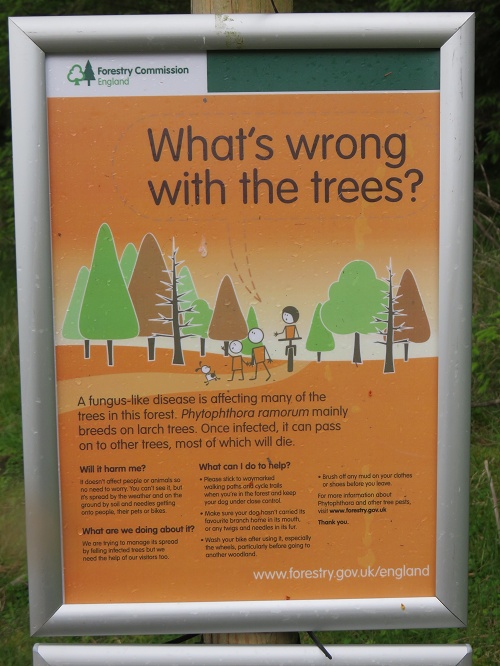
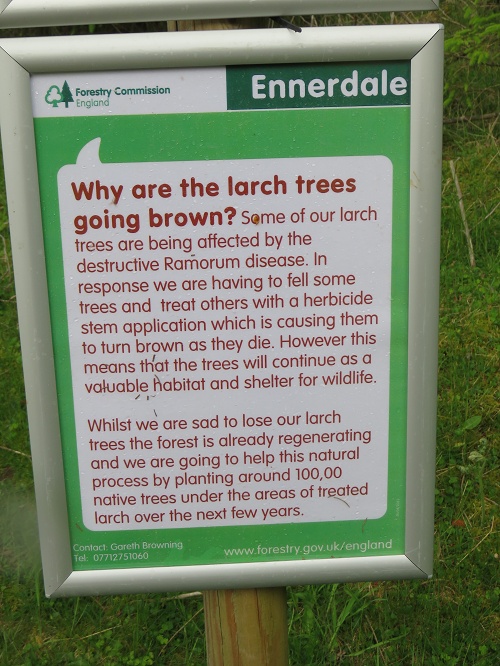
As we walked, we noticed dead patches in areas of sown forest.  From a distance, these appeared to be the result of fire damage.  IMG_4092aBut not so.  Further along the path, we came across a couple of explanatory boards.  IMG_0564a IMG_0565a

In summary, any trees affected by the soil bourne Phytophthora fungus will die, probably assisted by human-applied herbicide to help limit spread of the disease.  And the areas of forest lost to the disease will be re-planted in time with native species, presumably ones that are not susceptible to the fungus.

A related fungus is a significant problem in native forests in Australia.  I recall washing our boots in anti-fungal agents at the entrance to several National Parks in South-East Queensland during our training walks.

Eventually, we arrived at the top of Ennerdale Water and came across the fast-flowing River Liza.

IMG_0569a

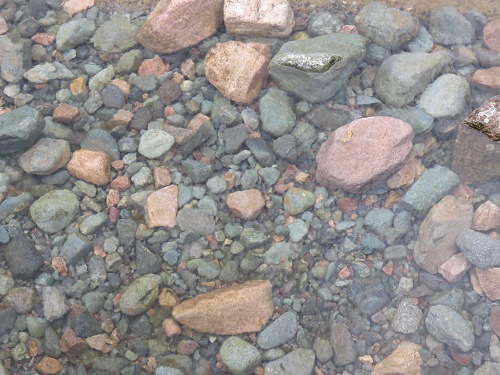
It was interesting (and surprising to me) to see that the geological profile of the stones in the Liza was similar to that seen back on the beach at St Bees.

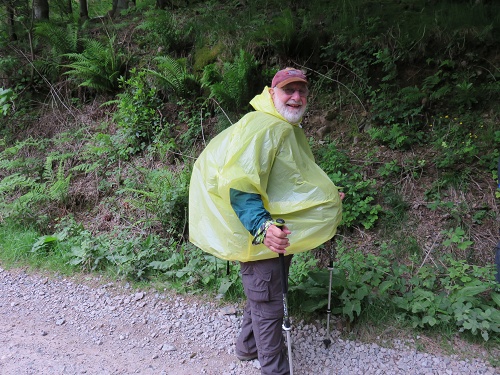
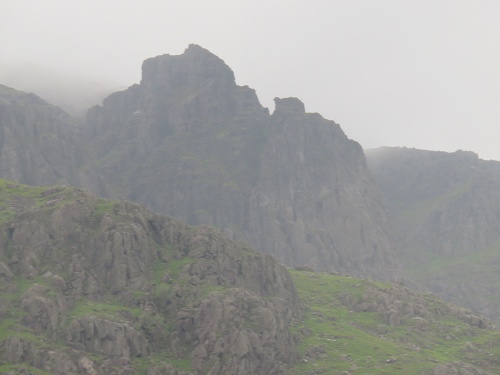
IMG_0557aBy now it was raining and we each had our particular array of gear to attempt to keep dry.  In my case it included a Gore-Tex and a poncho (no water-proof trousers at this stage).  This had the advantage of keeping both my pack (back) and SLR camera bag (front) safe from the weather.  Everyone else I saw on the walk preferred to use a rain-proof jacket and a pack-cover.  In fact, pack covers are not very effective if the weather turns really nasty.  And rain jackets can be far from water-proof as well.  On the other hand, I was very confident that no water was going to penetrate my plastic poncho!  So even though I looked a sight, I was very happy with my choice of gear!  IMG_0558aBy now, the valley was starting to close in and the fells above were spectacular IMG_0568aEven the rain and mist added an extra mystique to the landscape.  IMG_4090aThe gills were swollen and the green valley-sides appeared verdant.
IMG_0559a

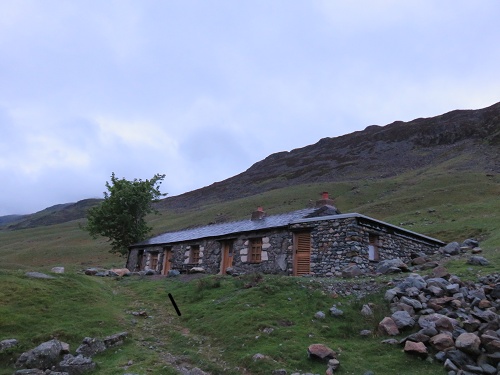
Eventually, we came upon the delightful Black Sail YHA just in time for a late lunch – that’s it in the distance.  It was originally a shepherd’s bothy.

IMG_0579a

We enjoyed a lazy afternoon, a delightful home-cooked meal in the evening (included rhubarb pie for desert – one of my favourites!) and a surprisingly restful night in bunk beds (four to a room, men and women segregated).  But we had been warned that, while there were power points in the rooms, they conveyed no power.  Unfortunately, this advance information proved to be 100% accurate!  But this slight inconvenience was more than compensated by the charms of the delightful young Scottish lass (Alison) who was the host (and chef) at the YHA.  IMG_0603aVital stats for this stage

Distance for this stage:  14 km

Total distance covered:  41 km

Ascent:  100 m

Total ascent:  805 m

Level of difficulty:  Easy

Highlight: The delightful walk along the southern shore of Ennerdale Water


Fuel efficiency standards – a no-brainer

Hi.  You might know me from such blogs as the late, great Larvatus Prodeo. For those of you who don’t, my day job is teaching software engineering at Monash University, but I’ve had a long-standing interest in public policy, and particularly the intersection between climate change and public policy. I hope you find my posts an interesting addition to the blog!

The (possibly reprieved) Climate Change Authority has continued to produce high-quality analysis that a sane federal government should examine very closely, and its latest report is no exception. It advocates for a mandatory emissions target for light vehicles (that is, vehicles you can drive on a car licence) sold in Australia, and proposes some design principles and options for implementation.

The proposed scheme would establish “fleet-wide” emissions targets for manufacturers, with an adjustment for vehicle footprint; that is, the target for a particular vehicle is adjusted by the size of that vehicle. As the report puts it,

The standard should differentiate obligations based on the size (footprint) of the vehicle, ensuring equity across suppliers while maintaining consumer choice and maximising flexibility. This approach ensures that the option to lightweight vehicles,
a major emissions reduction strategy in new vehicle design, is maintained.

I’m a bit ambivalent about this, and it shows one of the weaknesses in this kind of regulatory mandate as compared to alternative approaches like simply increasing fuel taxes. All things being equal, smaller vehicles are more fuel efficient than larger vehicles; encouraging people to make the switch away from vehicles than they need would actually be a good thing. But a flat target would encourage manufacturers who sell an above-average proportion of small cars to not do anything, as they will be able to meet their targets without actually improving their vehicles beyond business as usual.

In any case, what is most striking about this is how out of step with global practice Australia is; most other OECD countries have an enforceable fuel efficiency target of one kind or another. As Evan Beaver pointed out on Twitter, it was mostly another aspect of the multitude of small-beer decisions taken to protect the Australian car industry. Since the demise of Corolla production, Australia’s domestic producers have exclusively churned out large vehicles, mostly with large, not particularly sophisticated petrol engines. When combined with Australia’s low levels of fuel taxation, this further encouraged Australians to indulge their long-standing penchant for large, powerful and thirsty vehicles. The consequence of this is one of the most fuel-inefficient light vehicle fleets in the world, matched only by the USA with its love for Ford F-150s and Chevy Suburbans.

One of the great things about doing this is that it’s actually a net win for the country even ignoring the social costs of climate change; the extra costs of more fuel efficient technologies in vehicles are more than outweighed by the lifetime value of the fuel savings. As a society, the report estimates that rather than paying costs to avoid carbon emissions, every tonne of carbon emissions avoided through this policy would also result in a net saving of over $350. You might wonder why this policy is actually necessary; the short answer is that both consumers and businesses seem to undervalue emission savings when considering a new vehicle purchase. I’d prefer to fix this with fuel taxes and congestion charging, but if that’s not on the table it’s a reasonable alternative.

Even within a model range, the savings by simply changing the mix of drivetrain variants available are substantial. The Climate Change Authority compared the fuel efficiency of models available in both the UK and Australia, and found that, on average, the most efficient models available in Australia emit 20% more emissions than the most efficient models available in the UK. That probably overstates the difference between the typical models sold in Oz and Blighty, as many of the economy specials sold are heavily compromised to the point of impracticality and sell in tiny numbers. But even if you assume a 5% difference in the economy of your average Pommy Toyota Corolla and the Australian equivalent, that adds up to a lot of money.

Based on the data in the report and my assumption that Australian fuel usage is 5% higher than it might otherwise be purely because of the engine variant choices within a model range due to the lack of fuel economy targets, this results in Australian consumers and businesses burning about 1.2 billion litres more petrol than they otherwise might. At the current fuel price, that’s 1.8 billion dollars a year, every year, wasted, in that long and ultimately futile attempt to keep the Australian car industry alive.

The demise of the Australian car manufacturing industry represents an opportunity to fix a number of boneheaded transport policies. It would be nice if this anomaly was one of them.

Palmer does climate change

And how!

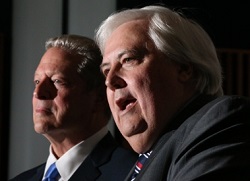
As noted on another thread Clive Palmer has announced the PUP policies on climate change with Al Gore on board.

Gore_cb_al_al_20140625155001761135-300x0

In case you were wondering, Gore wasn’t specially imported, he was in Australia Gore is for the Climate Reality Project, hosted by the Australian Conservation Foundation.

The central point is that PUP will support the Government’s legislation to repeal the carbon ‘tax’ on condition of an amendment that companies be required by law to pass on the savings to consumers.

Two additional votes from the other four swinging senators will be required.

Secondly, PUP will vote against the Government’s bid to abolish the Clean Energy Finance Corporation, the Renewable Energy Target and the Climate Change Authority.

Palmer pointed out that while in opposition the Abbott had promised that Australia would retain its renewable energy target. He will make them keep the promise. There were fears that the RET could be shut down as soon as January.

No mention was made of ARENA, the Australian Renewable Energy Agency, which already has a budget of $3 billion “to fund renewable energy projects, support research and development activities, and support activities to capture and share knowledge.” Presumably it stays.

Third, PUP will give the thumbs down to ‘Direct Action’. Direct Action is:

“a waste of money, at a time when families, pensioners, young Australians, stay at home mums and single parents and indigenous communities are facing unfair measures in the budget, to increase excise and indexation is not the answer”. (From the SMH)

Instead, Mr Palmer says his party will move another amendment to set up an emissions trading scheme similar to the one proposed by former Labor prime minister Kevin Rudd.

But this version will “only become effective once Australia’s main trading partners also take action to establish such a scheme”, Mr Palmer said.

“Climate change is a global problem and it must have a global solution,” he said.

“Air moves around the world.”

The price will initially be set at zero.

My interpretation is that the PUP ETS is not linked to repealing the carbon ‘tax’, but to the proposed Direct Action.

This policy mimics what Abbott has been spruiking, so the might just go for it.

Greg Hunt must be happy. He won’t have anything to do and won’t have to fight his recalcitrant colleagues every step of the way.

The Guardian notes:

As recently as April Palmer indicated he did not accept the findings of the latest intergovernmental panel on climate change report and thought countries should be concentrating on reducing “the 97% of carbon dioxide emissions that come from nature”.

Perhaps Palmer has been reading some recent opinion surveys, where Australians are increasingly looking for action on climate change. According to Giles Parkinson, Palmer said:

“The world is constantly changing, and our ability to adapt to change and keep open open mind is what really matters.”

Any way he’s now going to “deliver hope to mankind”.

The Guardian also notes:

Palmer wholly owns a nickel refinery in Queensland that is liable to pay the carbon tax. He has now paid its outstanding carbon tax bill in full, and abstained from the vote on the carbon tax repeal in the lower house because of his conflict of interest.

Moreover:

Under existing law, the fixed carbon price is set to rise to $25.40 next week. A floating price would mirror the international price which is about $8.

Elsewhere there’s Michelle Grattan at The Conversation, and Laura Tingle at the AFR.

Tingle sees palmer as a populist who has outplayed Abbott and wedged Labor and The Greens. After Clive the ETS lives on as a viable policy notion with anyone but Abbott at the helm.

There’s an interesting piece at The Drum by Peter Lewis and Jackie Woods Palmer: top dog or annoying PUP? Voters see Palmer as above all arrogant, aggressive, erratic, out of touch with ordinary people and superficial. This is how the four leaders stack up overall, according to Essential Media Communications:

Political leaders_cropped-600

Angry voters and the question of mandate

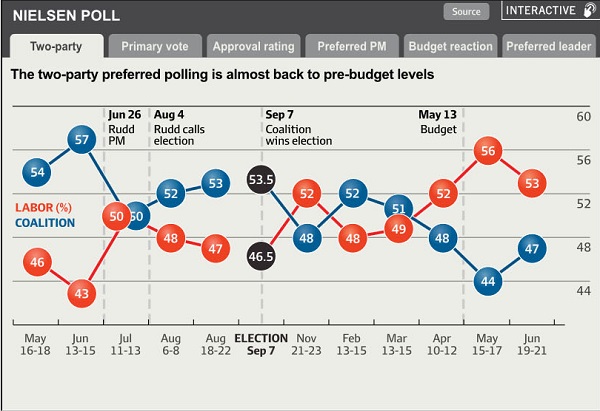
Nielsen and Newspoll both currently have Labor ahead 53-47 in two-party preferred (TPP) terms. This is almost the exact reverse of the 2013 election result which the LNP won 53.5-46.5.

This is how Nielsen is tracking:

Nielsen 23.6.14_cropped_600

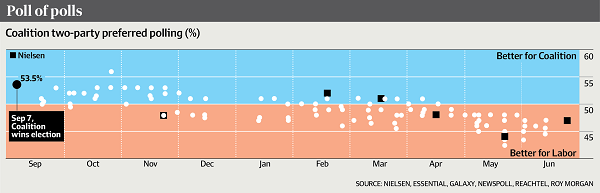
This image from the AFR shows how the Coalition vote is trending in six polls:

AFR Je14_6e420e70-fa5f-11e3-80cb-3fa822d151bf_23p00 news poll of polls 600

Laura Tingle says voters are still angry over the budget:

Six weeks on from the budget, the rage is maintained: the majority of voters still think the budget is unfair and the task of confronting ever deepening voter hostility towards Prime Minister Tony Abbott is only growing.

It says something about the quality of the government’s budget sales job that, in the period since the budget, the number of Coalition voters who believe the budget is fair has actually fallen more sharply than the number of Labor voters who think it is fair.

The latest Nielsen poll figures suggest little the government has done has changed voters’ initial hostile reaction to the budget and, if anything, has only eroded its own base as the details of the budget’s impact on traditional constituencies like pensioners and families has become clearer.

Arguments about the budget crisis; that working people are working a month a year just to fund welfare recipients; that the government is not really cutting pensions – none of these seem to be cutting through.

John Quiggin in commenting on Hockey’s statement about “lifters” and “leaners” had this to say:

The hostile reception given to these Romneyesque arguments is unsurprising. The fact that Hockey is relying on talking points that failed even in the US is indicative of the level of delusion under which the government is operating. Having run a disciplined and entirely negative campaign, Abbott and Hockey ought to understand that they were elected by default. They owe their jobs to the fact that voters were sick of Labor’s leadership shenanigans.

The fiasco of the Senate election is a pretty clear indication of a “plague on both your houses” view. Instead, they appear to be under the impression that they were granted a mandate for radical change – and long after the budget is off the front page, the electorate will punish them for it.

Some of the hacks are finding comfort in the fact that the LNP has clawed back some support. In fact they’ve improved from a prospective landslide defeat to one that would just be demoralising. Of course much can happen suddenly in politics and the election is a long way away.

There can’t be much comfort, however, in Abbott’s approve/disapprove rating of 35-60, up from 34-62. The slide from November last year when it was 47-46 should be telling him something.

Shorten’s numbers are 42-41, down from 47-39. He was 51-30 in November, but most of the time since he has been about evens.

In the preferred prime minister stakes, Shorten leads 47-40.

The LNP support comes from the old, men, NSW and WA. Strangely Labor slipped in NSW from 58-42 to 46-54, well beyond the nominated margin for error of 4.6%. The numbers for the state break-up are small and one or both may be rogue results.

Overall, though, one might say that the voters are telling Abbott and Hockey that they do not in fact have a mandate for much of what they are attempting to do.

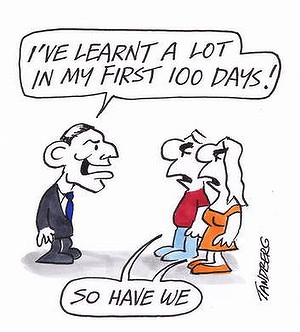
I’ll leave you with this Tandberg from a few months ago:

Abbott_AW-abbott-tandberg--300x0

Questioning the age of mining entitlement

From time to time the AustraliaInstitute insists on injecting facts and figures into political discussions. It has now produced a report on just how many billions a year the States spend supporting their mining industries.  The figures are significant.  For example, for  2013-14 state budget minerals and fossil fuel expenditures and concessions totalled about about $3.2 billion.  For Qld this cost represented about 60% of the royalties it received.  The figures look much worse when it is realized that no GST is paid on mineral exports (or other exports.)  This loss of GST income to the states would have been worth about $19 billion for 2012!
Continue reading Questioning the age of mining entitlement

Climate clippings 100

Kiribati_Fanning Is_478950-3x2-340x227Climate clippings_1751. Climate clippings reaches 100

Generally speaking I don’t rate the number 100 much except that it’s the number after 99 and the number before 101. Which might be just as well because when I was going through all the posts after transporting them (thanks tigtog) from Larvatus Prodeo I found two with the same number. So the 100th edition was actually number 99!

If you like to laugh Graham Readfearn has assembled 11 climate change comedy video clips to celebrate his 50th post on Planet Oz. I can recommend John Oliver and Australians for Coal, for example. There’s a bad language warning on the latter.

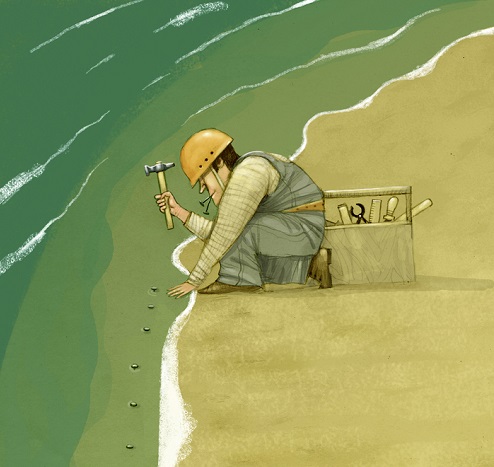
Huffpost has 9 Political Cartoons That Put Climate Change In Perspective:

slide_352590_3821132_free_500_cropped

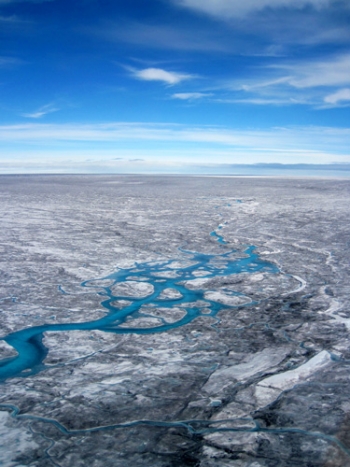
2. Dust increases Greenland’s ice melt

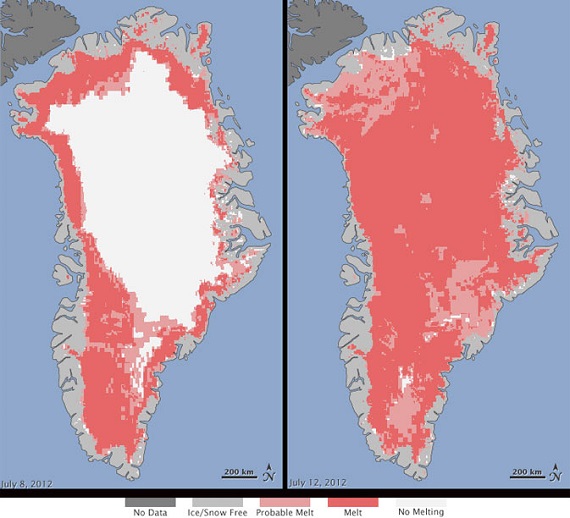
A ‘normal’ Greenland summer melt is illustrated by the left-hand panel taken at 8 July 2012, when about 40% of the ice sheet was subject to melting.

Figure 8

The right-hand panel shows what happened for about a week thereafter and is not relevant except as a harbinger of things to come.

A new study looks at the increased melting from dust and soot. It found that a relatively minor decrease in the brightness of the ice sheet could cause double the average yearly rate of ice loss seen over the period 1992-2010.

assets-climatecentral-org-images-uploads-news-6_8_14_Brian_GreenlandDirtyIce-350x467

Soot resulting mainly from wildfires in North America and Russia has a greater melting impact than dust as such. However, increased dust is being produced in the Arctic and finding its way to the Greenland ice. Now 150 times as much dust as soot has been found at a site in the north-east.

While this can’t be extrapolated to the rest of the ice sheet, there is concern that Greenland melting could be greater than previously thought. See also Antarctic images for context.

3. Green jobs declining in Australia

Yes green jobs are declining in Australia:

Australia is one of the few places in the world where green jobs are decreasing according to figures released by the International Renewable Energy Agency.

Globally the sector now provides an estimated 6.6 million jobs, an increase of 800,000 from 2013 figures, but in Australia, jobs across solar photovoltaics and solar heating have declined, with up to 22 per cent of jobs lost in PV and 20 per cent in heating, according to Ethical Jobs general manager Michael Cebon.

This is happening:

entirely the result of government policy, both through loss of incentives at the federal level and backpedalling by state governments.

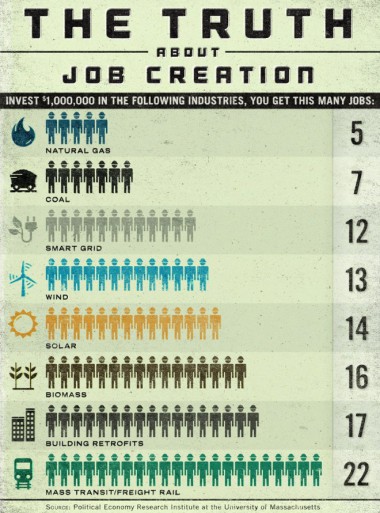
While a structural shift is occurring in the workforce elsewhere, Australia is regressing. The graphic shows the jobs potential of investment in various sectors:

comparison-fossil-and-renewable-380x513

4. Climate change impacts will ‘cost world far more than estimated’

That’s according to Lord Stern. He says that:

the economic models that have been used to calculate the fiscal fallout from climate change are woefully inadequate and severely underestimate the scale of the threat.

That includes those cited by the IPCC. They ignore the science, the full range of risks and simply assume away some of the worst economic impacts.

5. Historians will look back and ask ‘why didn’t they act?’

That’s the question asked by science historian Naomi Oreskes in her

latest book, The Collapse of Western Civilization: A View from the Future, [which] imagines a Chinese scholar in 2393 analysing the slow-motion disintegration of 21st-century democracies as they fail to tackle a growing environmental catastrophe.

It’s not a pretty picture.

By the end of the book, co-written with fellow historian Eric Conway, the Netherlands and Bangladesh are submerged, Australia and Africa are depopulated, and billions have perished in fires, floods, wars and pandemics. “A second dark age had fallen on Western civilisation,” Oreskes writes, “in which denial and self-deception, rooted in an ideological fixation on ‘free’ markets, disabled the world’s powerful nations in the face of tragedy.”

Oreskes and Conway say it’s a worst-case scenario, not a prediction.

One way or another, the game is up, we need to act with vigour and determination.

6. Coal to fuel human progress for decades – Tony Abbott

Our fearless leader has been strutting his stuff on the world stage, ignoring the science and embarrassing us all. He told Texan business leaders that:

we don’t believe in ostracising any particular fuel and we don’t believe in harming economic growth.

“For many decades at least, coal will continue to fuel human progress as an affordable energy source for wealthy and developing countries alike.”

Under the fig leaf of Direct Action anything goes.

Meanwhile Julie Bishop confirms that climate change won’t be high on the G20 agenda.

Once again they are out of tune with the nation. In a recent opinion poll 57% of those polled said the government should take climate change more seriously.

while more than half of respondents felt the federal government was the primary body which should address climate change, there was a negative rating of -18 when people were asked to rank the government’s performance.

This compares to a -1 rating from last year. These rankings are the differential between respondents’ “good” versus’ “poor” response to the government’s performance.

Reminder: Use this thread as an open thread on climate change.

7. Pacific presidents speak out against Australia’s stand on climate change

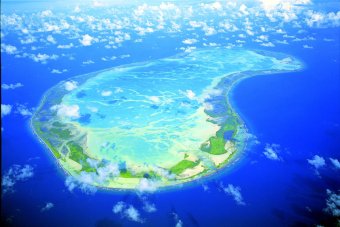
Out in the Pacific they are not happy with Abbott’s policy stance. The sea is coming up and they are going down. Here’s Fanning Island in Kiribati:

Kiribati_Fanning Is_478950-3x2-340x227

Lost in a mid-winter Canberra fog

Laura Tingle’s Friday AFR column ends with:

The despair in Coalition ranks is extraordinary. As thick as a mid-winter Canberra fog.

At the beginning:

“What on earth does the government think it is doing?” was the mystified question du jour in Parliament House. You might expect it from business executives who don’t have time to focus day to day on politics. It’s just a little more alarming coming from government backbenchers and even ministers’ staff.

The latest kerfuffle is over the use or non-use of the term “occupied” to refer to East Jerusalem and occupied West Bank territories. Apparently the term “disputed” preferred by Israel has been used. Rural Liberals are seething over Attorney-General George Brandis’s remarks about East Jerusalem, accusing him of “intellectual arrogance”.

They have very real concerns over live cattle exports. In Jedda, 57 Arab foreign ministers condemned the Federal Government’s decision not to use the term “occupied” when referring to east Jerusalem.

Their statement, issued in Jeddah, also calls on member states to “take necessary measures” in response.

The declaration was made as the Foreign Minister Julie Bishop sought to assure ambassadors from many of those countries that Australia’s position hasn’t changed.

It’s not clear if her efforts will have the desired effect.

Tingle says that Bishop apologised. No-one seems to know whether there has been a considered change in position, or whether it was a Brandis stuff-up. Bishop claimed on Insiders that there had been no change in position, claiming that practice is to use “East Jerusalem”, “West Bank” or “occupied territories”, but not in combination. She claims that they were verballed by Lee Rhiannon. Nevertheless they seem to have gotten themselves into a twist.

Beyond the East Jerusalem dispute Tingle says:

the government is under deadly attack from those communists at the Australian Medical Association. Its new president, associate professor Brian Owler, wrote this week the health measures in the budget “add up to bad health policy”.

“The health of Australians is too important for healthcare to be an ideological toy,” he said.

“The AMA is supportive of some co-payments, but not the one proposed by the government.”

This is the AMA leading the fight against a co-payment, an organisation that fought Medicare for decades.

Then business is reconsidering their relations with government finding Bill Shorten and Chris Bowen “are open to talking and that there are some Labor policies that are actually more pro-business than those of the government.”

Then there are all the welfare bludgers, the people Joe Hockey refers to as parasitic “leaners”. Tingle continues:

Liberal MPs report the outrage of aged voters who will lose their $800 seniors supplement.

But what is striking is that these voters aren’t angry about losing the $800 as much as they are about feeling they have been portrayed as welfare bludgers.

The feedback about an anger that is not going away is it is very different to what MPs have felt before because it isn’t just about hip pockets but a sense the budget has broken something at a community level, particularly universal healthcare and access to education.

What causes despair on the Coalition backbench is that the senior ranks of the government don’t seem to recognise that something has been genuinely broken that the Coalition team will never be able to get back. That an electorate that never quite got a handle on Tony Abbott has one it will now never let go.

You will recall back in May the fearsome grilling Abbott suffered from ABC talkback radio callers who accused him of lying, fearmongering and endangering the health of pensioners. Photographers can be cruel. This was the occasion of Abbott’s famous wink, but take a look at this shot by Penny Stephens:

Abbott_ac-pm2-thumb-20140521102128242961-300x0

This post can serve open thread on politics.

Saturday salon 21/6

voltaire_230

An open thread where, at your leisure, you can discuss anything you like, well, within reason and the Comments Policy. Include here news and views, plus any notable personal experiences from the week and the weekend.

For climate topics please use the most recent Climate clippings.

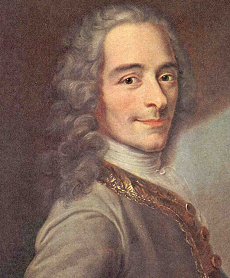
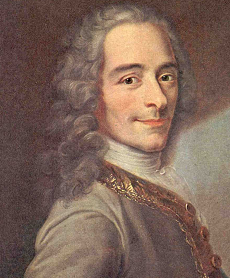
The gentleman in the image is Voltaire, who for a time graced the court of Frederick II of Prussia, known as Frederick the Great. King Fred loved to talk about the universe and everything at the end of a day’s work. He also used the salons of Berlin to get feedback in the development of public policy.

Fred would only talk in French; he regarded German as barbaric. Here we’ll use English.

The thread will be a stoush-free zone. The Comments Policy says:

The aim [of this site] is to provide a venue for people to contribute and to engage in a civil and respectful manner.

High Court rules federal funding of school chaplains invalid again

As The World Today story makes clear, it is the funding methodology rather than the school chaplains program itself that has been, for the second time, ruled unconstitutional by the High Court.

High court_250When Toowoomba father of six Ron Williams won the original High Court challenge to the chaplaincy program in 2012 the Gillard Government passed ‘catch-all’ legislation which sought to enable to make such grants directly to schools. This ‘bandaid’ solution has now failed. While the court case has only been about the school chaplaincy program specifically a precedent was set that placed a question mark over some 400 other Commonwealth direct funding programs, past and present. I gather these programs had been implemented by the executive without legislation.

It appears that the Commonwealth will now have to use legislation specific to the program, by which means it can make special purpose payments to the states with as many conditions as it likes. This legislation would then have to run the gamut of the senate, which may be difficult, if Labor comes to its senses and opposes the legislation.

I agree with Angelo Gavrielatos, head of the Education Union:

We’ve always opposed this program, considering it a badly designed and quite frankly not in the interests of our kids and what they actually need.

It also compromises the secular traditions of public schools. This money is better directed to specialist, expert support for our students. What our students need are expert trained school counsellors, psychologists and welfare workers.

It’s also important to note that this program has been costed at $250 million. This is at the same time when there’s been a real cut in funding for students with disabilities.

The Abbott Government is so far reserving its position until they examine the ruling, as one would expect.

There is a summary article by Michelle Grattan at The Conversation.

Retiring Senator Louise Pratt has condemned the program, saying that it has driven gay and lesbian children to self harm:

Senator Pratt said an online survey by gay rights group All Out, which attracted 2200 responses, had uncovered dozens of firsthand student accounts that describe chaplains as being “explicitly anti-gay”.

One respondent said their school chaplain had described gays and lesbians as “unnatural, indecent and perverse”. Another said a gay friend had overdosed on medical pills after their school chaplain said being gay was a “degrading sin” that sends people to hell.

“As well as the two stories I have just quoted, students described chaplains helping them to ‘pray the gay away’ and advising them to sleep with a member of the opposite sex to ‘correct’ their same-sex attraction,” Senator Pratt said.

“One very serious story involved a student being told by a chaplain that they should leave home because they had homosexual parents . . . Regardless of the outcome [of the High Court challenge], it is important to see this program stopped.”

Proponents of the program say such incidents would be rare and in breach of the code of conduct under which chaplains operate.

According to Peter Sherlock schools have been able to use the money to employ secular counsellors. In the 2104-15 budget, however, this was narrowed to chaplains from religious organisations alone.

Sherlock, who is Vice-Chancellor at University of Divinity, says that the program recognises that schools have a socialising role in the formation of a child that goes beyond the door of the classroom and the skills and content imparted there. He thinks, however, the chaplains from religious organisations will almost inevitably be motivated to proselytise, and the secular counsellors would be more appropriate.

I couldn’t agree more. Problem is, part of the purpose of the program is to win votes from particular sectors of the church-going community.

Another way to cook the planet

Around 80 to 85% of coal in the ground cannot be mined by conventional methods. That’s 18 trillion tonnes according to the International Energy Agency’s Clean Coal Centre – enough to supply the world for 1000 years, at current requirements. Fred Pearce in the New Scientist (paywalled) takes a look at efforts to liberate this potential by a process called underground coal gasification (UCG). Apparently that’s enough to add about 10°C to global warming, if the carbon is not sequestered.

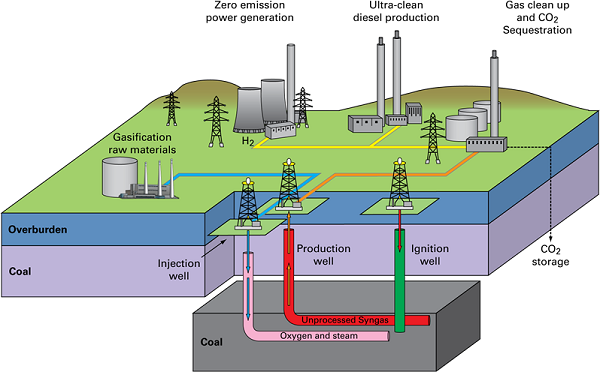
The process involves burning the coal in situ underground, bringing the gases thus created to the surface and then burning them in a conventional power station. This image from the British Geological Survey illustrates the process:

USG_Figure_03_001_600

The “Zero emissions power generation” is totally misleading (see below).

Stalin’s engineers and their successors have been doing it to a brown coal seam for 50 years near Angren, a town east of Tashkent in Uzbekistan. Air is piped 300 metres down one well, the gas comes up another. It is cooled, scrubbed of coal dust and compressed on site, then piped across the plain to Angren. Australians bought the operation seven years ago, with a view to scaling up the technology to transform the world’s energy markets.

A cocktail of gases is created when the coal is burned – methane (natural gas), CO2, which can be disposed of safely, carbon monoxide (CO), and hydrogen. There are four ways the gases can be used:

  • Gas to electricity. Methane is burned in a power station.
  • Gas to chemicals. Hydrogen, methane and CO have value as feedstock in the chemicals industry.
  • Gas to liquid. Methane can be liquified to LNG, or CO and hydrogen can be turned into synthetic diesel.
  • Gas to tech. Hydrogen can be used as a transport fuel.

As methane burns it oxidises to CO2 and water. Potentially, it is said, the same infrastructure of pipes can be used to pipe the CO2 from the power station back to the mine and insert it in the place vacated by the burnt coal. Obviously you’d have to double the pipeline for continuous operation. And obviously the process would add to the expense.

A second concern is that chemicals can leak to contaminate groundwater. If the rocks above the seam are impermeable before the process, they may not be after. Fracturing is estimated to occur up to 60 times the width of the seam. In fact fracturing the nearby rocks could release even more gas for use.

USG_cougar-energy_cropped

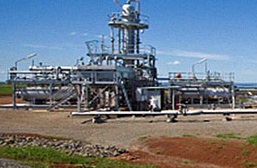
Australian engineers trialled an adapted process at Chinchilla in Queensland in the 1990s. Within two years UCG was shown to be feasible. But in 2011 benzene and toluene leaked into a nearby borehole in an operation near Kingaroy. Similar problems had emerged in the US, so Qld authorities shut the operation down for investigation. Last July ‘Can do’ Campbell’s mob came up with the idea that you could only operate if you successfully decommissioned a commercial scale operation to show that you could do it. So you had to start an operation, stop it, get your operating ticket, then start up again. Brilliant!

There were three companies involved in Qld – Linc Energy, Carbon Energy and Cougar Energy. They responded by shutting Chinchilla down after more than a decade of successful production, and relocating to China, the US, Argentina, Chile and Indonesia.

There are trials elsewhere, including Canada and South Africa. At Cook Inlet in Alaska and Swan Hills in Alberta, Canada, there are plans to go commercial as early as 2015. In Britain, they reckon 70% of coal has never been mined. Furthermore there is 10 billion tonnes of the stuff under 400 square kilometres in the North Sea. An Office for Unconventional Gas and Oil has been set up with £1 billion seed money to stimulate the industry. Half a dozen start-ups have been spawned. There is interest also in supplying feedstock to energise the flagging chemicals industry in Scotland.

All this momentum is a worry unless in practice ‘clean’ coal turns out to be completely clean. For example in Britain it is said that only 30% of CO2 could be sequestered. There they are throwing £1 billion at the problem.

Remember, for a safe climate we need to reduce the concentration of emissions initially to 350 ppm. Or you can go back and depress yourself by re-reading The game is up.

Our best chance lies in the possibility of renewables becoming cheaper than the fossil alternatives. If we rely on the human race acting rationally in its own longer term self interest our prospects are not good.

Food follies

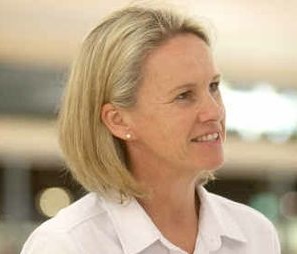
Nash_CCA_13-08-2010_EGN_04_a300410-08-01_t460_croppedFiona Nash is Deputy Leader of the Nationals in the Senate and Assistant Minister for Health. Back in mid-February there was a kerfuffle over taking down a food labelling site and the apparent conflict of interest of her then chief of staff, one Alastair Furnival.

The basic story is this. Food labelling has been under review for years by the Australia and New Zealand Food Regulation Ministerial Council. According to The Guardian back in Labor’s time the ministerial council approved a five star labelling system indicating food nutrition.

The website included a calculator that provided a star rating based on the ingredients and nutrient content of a food item, taking into account energy, saturated fat, total sugar, sodium, fibre, protein and fruit and vegetable content.

It’s a voluntary system. The website, specifically approved by the council, was to provide guidance to manufacturers and distributors who could then, if they wished, include the rating on the labelling. Meanwhile the site would be available to the public.

The staff of the department of health duly set up the site. Within hours Nash demanded that it be taken down. The public servants refused, saying they were working for the ministerial council. Furnival then intervened with their bosses, heavied them and the site came down. This shouldn’t happen.

Much of the controversy then was over Furnival’s former and possibly current links with sections of the food industry hostile to the project, what Nash told the senate about this, how she had to then provide ‘further information’ which was pretty much the opposite.

One bottom line is that Laura Tingle reckons Nash definitely misled the senate. On that basis she should have resigned or been sacked.

A side issue relates to the vetting of Furnival’s appointment in the PM’s Department. Andrew Elder points out that Peta Credlin, Abbott’s supremo, knew personally all about Furnival before he was appointed.

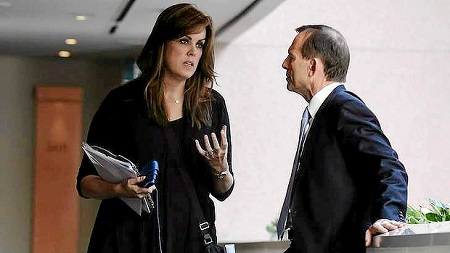
BTW who do you reckon is in charge here?

Abbott_ak_lead_credlin_20131204182638618280-450

Elder also points out how dunderheaded and useless your average gallery journalist is.

All these interesting aspects distract attention from what Nash was really up to. She claims the site was premature. She has initiated a cost-benefit analysis which she says needs to be completed first. Other ministers who are part of the Council say that this analysis is a Commonwealth initiative and as such has nothing to do with the Council.

The real agenda seems to be a delaying tactic. The vote in favour of the site was narrow and Nash is hoping to revisit the issue with the prospect of a different result after the elections in SA and Tasmania.

Mike Daube, Professor of Health Policy at Curtin University, speaking to Peter Lloyd, reckons that’s not all she’s done.

Look I think the major issue now is not about one staffer who is gone but about whether the Federal Minister responsible for prevention understands the importance of prevention and will take the action that’s needed.

You look at the three big prevention priorities – tobacco, alcohol, obesity – and they’re also the three big priorities or three of the biggest priorities if we want to close the Indigenous life expectancy gap, and this Minister so far does not have a good record.

She’s scuppered a food labelling system, she’s defunded the major peak national alcohol treatment organisation and her party still accepts tobacco funding. So I think it raises much bigger question marks about Senator Nash than it does about the Mr Furnival.

I couldn’t agree more.

Problem is, there could be a cost to Radio National in reporting inconvenient material like that. I’m expecting a major push to kill off RN coming out of the current reviews of the ABC. I suspect the LNP sees RN as an unseemly steaming cesspit of lefties.

Climate change, sustainability, plus sundry other stuff