All posts by Brian

Brian Bahnisch, a survivor from Larvatus Prodeo, founded Climate Plus as a congenial space to continue coverage of climate change and sundry other topics. As a grandfather of more than three score years and ten, Brian is concerned about the future of the planet, and still looking for the meaning of everything.

Climate emergency – ecological sustainability within planetary boundaries, and a safe climate

3000_600

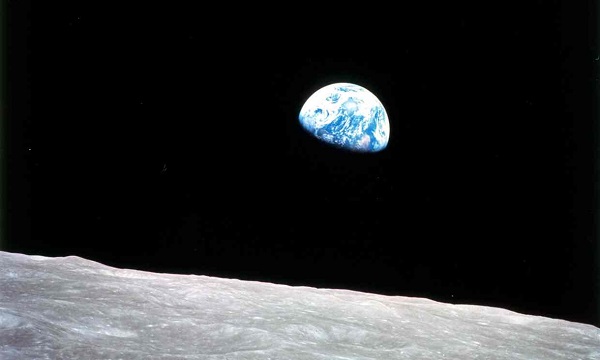
That image is a shot of the earth rising over the moon, photographed on Christmas Eve 1968 from Apollo 8, taken from a 2016 article by Martin Rees, looking at the dawn of the Anthropocene.

He plots two futures, one where we continue to degrade the planet, another more optimistic, where human societies could navigate current threats, achieve a sustainable future, and inaugurate a future more marvellous than what was achieved in the Holocene. He is interested in humans becoming electronic beings, which I’d see as a dystopia. Nevertheless, if humans act together, in the interest of the the broad ecology, including our species as a whole, our future could be bright.

In the real world we take action within nation states, which typically put the nation’s interest, however derived, ahead of other nations or indeed ahead humanity as a whole.

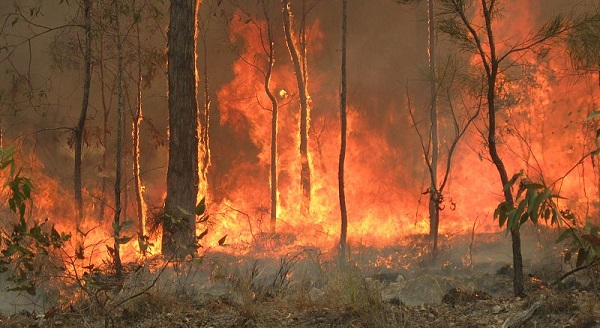
Internationally through the IPCC (Intergovernmental Panel on Climate Change) and the UNFCCC (United Nations Framework Convention on Climate Change) we are offered scenarios on climate change where, at best, the already bad will get worse. In the case of the latest IPCC 1.5°C report we are offered a 50% chance of avoiding the worst of a dangerous climate. Meanwhile, even if ‘successful’ sea levels will continue to rise, the Great Barrier Reef will be devastated, bad weather, droughts, floods and wildfires will get worse.

Unfortunately in Australia we have a government in power that intends to meet it’s commitments through cheap accounting tricks, where its environment department sees emissions continuing to rise through to 2030. Given that we are one of the largest per capita emitters in the OECD, our Paris commitments are exceptionally modest at 26-28% from 2005 levels. Those were initial commitments. A point overlooked is that under the Paris Agreement parties we undertook to ratchet up our commitments post 2020.

So what should Labor do if elected in 2022 to work towards a safe climate and a world were responsible growth and development is possible? What is a climate emergency, and can we respond appropriately? Continue reading Climate emergency – ecological sustainability within planetary boundaries, and a safe climate
Joel Fitzgibbon forces the issue on Labor climate plans

Yesterday my heart sank when I heard that shadow resources minister Joel Fitzgibbon was going to make a speech at the AFR National Energy Summit proposing that Labor end the climate wars by adopting the Coalition’s target of 28 per cent emissions reduction by 2030. Frankly, I knew Mark Butler would be spewing, but Fitzgibbon is a senior cabinet minister, so which way would Anthony Albanese choose?

By the end of the day the matter was settled. I’ll link to a couple of articles later, but the most important media piece came in Patricia Karvelas’s interview with Pat Conroy, Shadow Minister for International Development and the Pacific and Minister Assisting for Climate Change, on ABC RN Drive. Labor will honour our Paris commitment, that means a meaningful contribution rather than the pathetic formal commitment by the Abbott government made. labor will take a backward step on it’s 2019 election commitments. Continue reading Joel Fitzgibbon forces the issue on Labor climate plans

Good news ignored by Queensland media

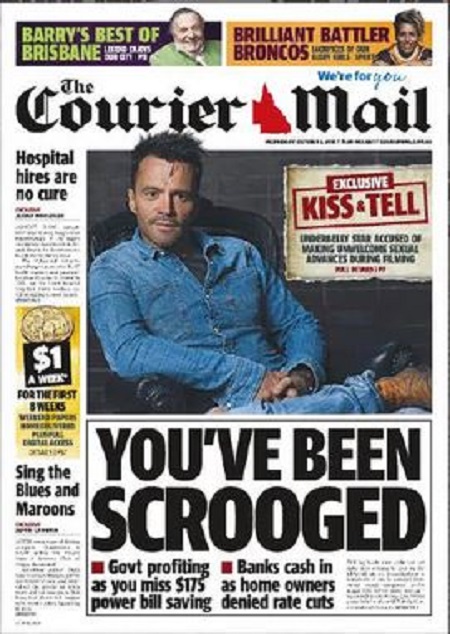
In a one newspaper town, the Courier Mail will never miss an opportunity to slam the Palaszczuk Labor government, even if they have to distort or mislead, while generally neglecting good news.

So we’ve had another front page headline:

Screenshot of Courier Mail Wednesday, 2 October 2019
Continue reading Good news ignored by Queensland media

Weekly salon 29/9

1. Can Richmond save Australia

Unless you were living under a rock, or in hospital in an induced coma, you would know that:

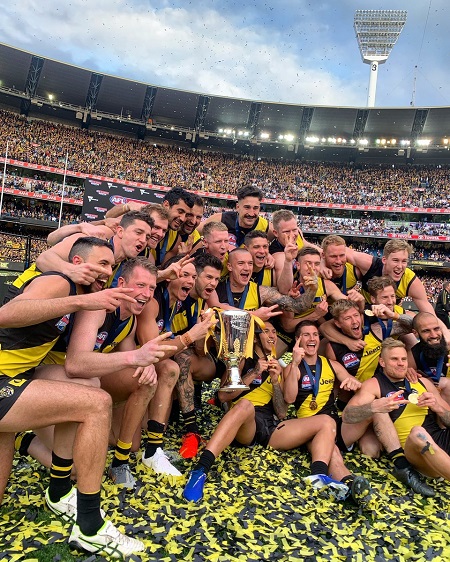
    Richmond has swept to victory in the AFL grand final, extinguishing GWS hopes of glory with a dominant 89-point win at the MCG for the club’s 12th flag.

    GWS was hoping to complete a fairytale finals turnaround to win the flag from sixth but after the Giants kicked the first goal of the day, they then conceded the next 11.

    Out-tackled, out-performed, out-scored — it was a dirty day for the Giants, as a terrific Tigers outfit made it two flags in three years with a 17.12 (114) to 3.7 (25) victory.

Continue reading Weekly salon 29/9

UN meeting failure, so what now?

This is the final version of a post first published on Thursday 26 September. This version contains additional material, and a considerable amount of the earlier version has been pruned.

I hope to do a specific post on the UN Climate Action Summit in New York. Meanwhile we have a closing media release from the summit. While it tells us that “77 countries committed to cut greenhouse gas emissions to net zero by 2050, [and] while 70 countries announced they will either boost their national action plans by 2020 or have started the process of doing so”, none of the large emitters were included. Matt McDonald, Associate Professor of International Relations at the The University of Queensland, gives a neat summary with lots of links in Highly touted UN climate summit failed to deliver – and Scott Morrison failed to show up.

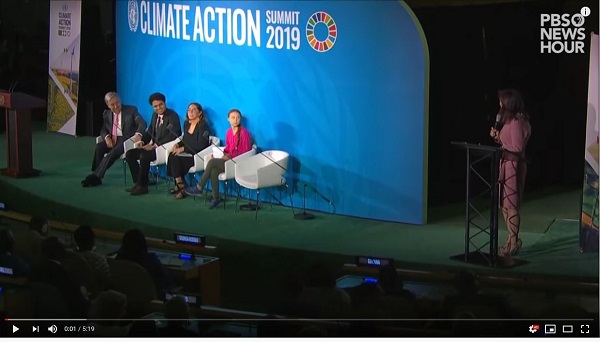
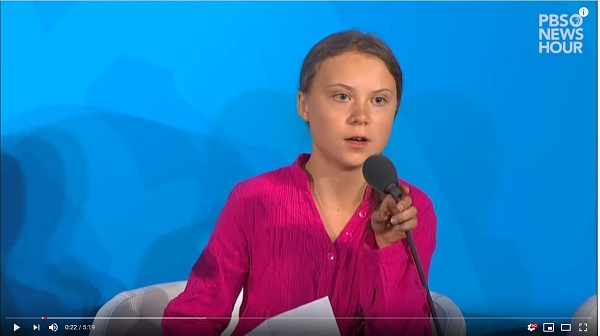
One success of the Summit was Greta Thunberg’s amazing speech:

Greta Thunberg “We’ll be watching you!”
Continue reading UN meeting failure, so what now?

Weekly salon 22/9

1. From the sublime to the ridiculous

I loved learning German at university through it’s poets and other great writers. One reason I never mastered colloquial German was it’s practice of borrowing foreign words and then rendering them in a way that just isn’t true to the Sprachgefühl (intuitive feeling for the natural idiom of a language. So we have:

Borrowed from Mark’s Facebook, not sure where he got it from. Continue reading Weekly salon 22/9

The urgency of now

Our country is burning up and the powers-that-be refuse to help, so it’s time to show them we’ve had enough (Image via Wikimedia Commons)

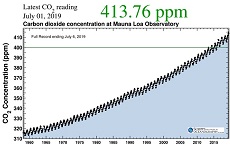
In 1988 James Hansen addressed the US Senate warning of the danger of climate change. Ostensibly the world took notice in the Earth Summit at Rio and the establishment of the UNFCCC (UN Framework Convention on Climate Change) which meets in the Conference of Parties for two weeks in early December each year. It gave us the Kyoto Protocol and the Paris Agreement. However, as I indicated in Four graphs that matter in the climate emergency: bonus edition, the effect on rising CO2 emissions is invisible:

    The emissions are increasing and that is the only thing that matters.

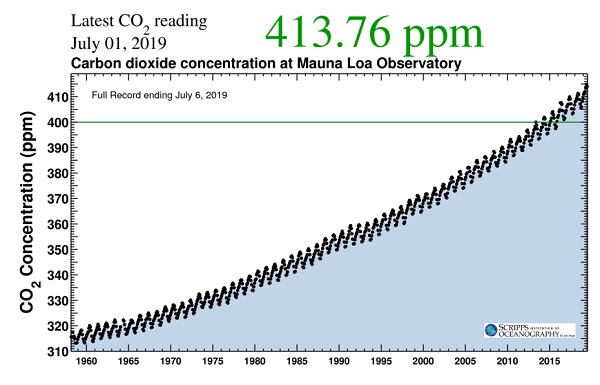
This is what was shown for July 01, 2019 at Muana Loa:

Continue reading The urgency of now

Four graphs that matter in the climate emergency: bonus edition

This is an updated version earlier post, slightly shorter, where I have deleted some material in favour of new material, especially towards the end, and sharpening some points along the way.

First graph

Greta Thunberg, the girl who can’t quit, said:

    The emissions are increasing and that is the only thing that matters.

This is what was shown for July 01, 2019 at Mauna Loa:

Continue reading Four graphs that matter in the climate emergency: bonus edition

Weekly salon 7/9

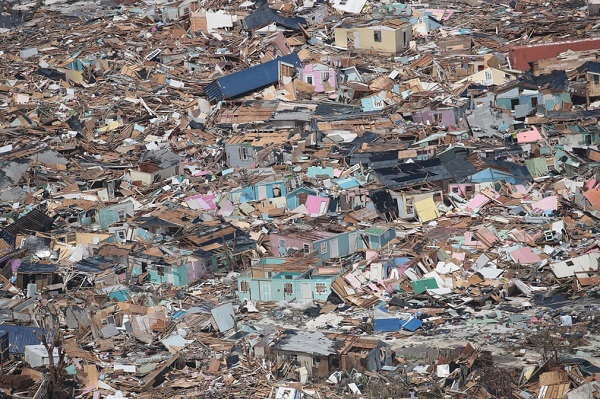
1. Storms for Hansen’s grandchildren

(From Hurricane Dorian: devastation and destruction in the Bahamas – in pictures)

John Schwartz at the NYT (posted at Lethal Heating) asks How Has Climate Change Affected Hurricane Dorian?

Michael Mann and Andrew E Dessler respond in Global Heating Made Hurricane Dorian Bigger, Wetter – And More Deadly. With warm seas and more moisture in the atmosphere hurricanes can intensify faster, contain more moisture, more wind power and move slower. This means greater flooding and a increased possibility of coinciding with high tides. Continue reading Weekly salon 7/9

The price of protest in fashion waste

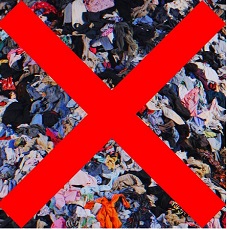
When I was young, we wore clothes until the wore out. I had an elder brother, and got to wear hand-me-downs.

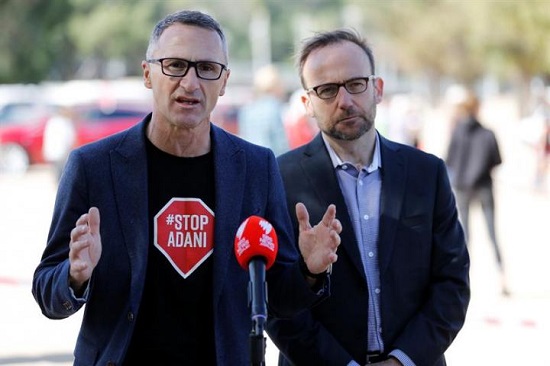
This all changed, possibly in the 1970s and 1980s. Now we have the phenomenon of single-use clothing, ironically often T-shirts worn by people crusading to save the planet. Richard di Natale is, I think, the Australian politician most often seen in T-shirts. During the last election he often looked like this:

Continue reading The price of protest in fashion waste