Futures contracts on the ASX Energy market for electricity delivered in 2016-2018 are between $86 and $90 a MWh in South Australia, compared with between just $37 and $41 MWh in Victoria and between $43 and $48 MWh in NSW.
Back in 2011, we wrote about a fascinating new way to heat-treat regular, cheap steel to endow it with an almost miraculous blend of characteristics. Radically cheaper, quicker and less energy-intensive to produce, Flash Bainite is stronger than titanium by weight, and ductile enough to be pressed into shape while cold without thinning or cracking. It’s now being tested by three of the world’s five largest car manufacturers, Continue reading Climate clippings 160→
The Palaszczuk government in Queensland came into power with a policy for 50 per cent renewable energy by 2030. Giles Parkinson says:
The state of Queensland appears ready to embark on what could be one of the most radical transformations of its electricity network ever undertaken – even by standards of ambitious mandates in places such as California, Germany and Denmark.
I’ve just discovered this one from August, where Ben Eltham unloads on Greg Hunt, calling him our first minister for pollution:
There are no kind words that can be said about Greg Hunt. When it comes to protecting the environment he is useless, and actually seems to revel in eviscerating the portfolio he is responsible for. Continue reading Climate clippings 159→
Obama has rejected the proposal to build a pipeline to bring tar sands oil south from Canada to refineries in the Gulf Coast.
Obama said Friday that the State Department, in its final Environmental Impact Statement, found that the pipeline would not be in the country’s national interest. “I agree with that decision,” he said.
This post argues that a carbon tax may be a smarter way of increasing revenue than changes to the GST. This would be particularly true if we are talking about replacing Labor’s complex carbon tax collection system with a KISS driven approach that collects the tax close to where the fossil carbon comes out of the ground or across our borders. This post is about revenue. Helping to save the planet is just a very desirable bonus.
Not just the hottest July, we’ve just had the hottest single month since records began in 1880. It’s also been the hottest first seven months of any year, so we are heading into new territory. Continue reading Climate clippings 153→
Glaciers observed in a recent study are losing between half a meter and one meter of ice thickness every year – two to three times more than the corresponding average of the 20th century. Continue reading Climate clippings 152→
It’s happening, he says, through the action of consumers and industry.
“This is a consumer revolution, as much as it is an energy transformation empowering Australian households, communities and businesses,” Shorten said. (It is) putting control back in the hands of the user, shifting the balance away from big power companies.”
The Abbott Government’s 2030 emissions target aims to put us at the back of the pack internationally, and the Government will do next to nothing to achieve the target. Continue reading Climate clippings 150→
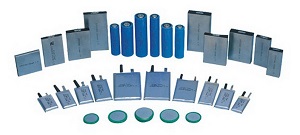
The momentum at present is with lithium-iron batteries, which are being used in devices from mobile phones to electric cars. Since the technology was commercialised in 1991 its performance has improved immensely – design tweaks have tripled the energy stored in a given volume. Continue reading Lithium-ion batteries and other electricity storage news→
Tony Abbott’s statement that consumers will pay A$60 billion or more for Labor’s 2030 50% renewables pledge is misleading. Continue reading Climate clippings 149→
Climate change, sustainability, plus sundry other stuff