Category Archives: Sundries

Posts on sundry matters of life the universe and everything: Culture, Environment, Life, Politics & Government, Science, Social Science and Society, Technology etc.

Welcome to the the Green Tea Coalition

Traditionally, doubting climate science has been an article of faith for the US Tea Party.  Imagine my surprise at seeing this New Yorker  report that sections of the Tea Party are now actively supporting rooftop solar and teaming up with the Sierra Club to form the “Green Tea Coalition.  Coalition action includes:

helping defeat an effort by Georgia Power to impose heavy fees on customers with rooftop solar systems.”

So what is going on and are there implications for climate action in Australia?

The Tea party leader behind these moves is Debbie Dooley.  Debbie is definitely not someone from the Tea party fringe. She is

one of the twenty-two organizers of the first nationwide Tea Party protest, in 2009…. a co-founder of the Atlanta Tea Party, on the board of directors of the national Tea Party Patriots, and, since 2012, has been a fierce solar-power advocate.

In addition, much of what she says in support of solar is pure Tea Party:

“I thought that the regulated (utility) monopoly in Georgia had far too much power…” Solar, …. promised to give people energy autonomy. “The average person cannot build a power plant, but they can install solar panels on their rooftop, and they should be able to sell that energy to friends and neighbors if they wish.”

She also talks about:

solar energy, the free market, consumer choice, and national security. “Rooftop solar makes it harder for terrorists to render a devastating blow to our power grid,” she said. “There’s nothing more centralized in our nation. If terrorists were able to take down nine key substations, it would cause a blackout coast to coast.”….

and actions such as leading

a major ballot initiative that would amend that state’s (Florida) constitution to allow individuals and businesses with solar panels to sell the power that they generate directly to their tenants or neighbors. (Current law permits only utility companies to sell electricity.)

The key things here are a growing aversion to big business trying to limit the freedom of individuals in addition in addition to the traditional Tea Party aversion to big government.  There is no suggestion that the Tea party side of the coalition has suddenly decided to become climate change believers.

So what are the lessons for Australia given that the Tea party is an artifact of US culture?   For me there a few key reminders:

  1. You don’t have to believe in climate science to do things that help slow climate change.
  2. In some cases ideological things like individualism. aversion to big business/government will help with things like rooftop solar, household recycling, urban farming etc.
  3. In other cases the fracking companies are helping build the case against fossil gas while helping to build the regional Greens vote.
  4. Then there is finance.  The thing that is most likely to kill thermal coal projects and fossil power stations these days is the banks perception that these have become very risky investments.
  5. Then there is the economy.   What the world economy needs right now is a big drive against Greenhouse emissions – You don’t need to believe in climate science – Just sensible economics.

No, I haven’t gone over to the Tea party but it is worth reading the rest of the New Yorker article on the fights that Dooley has fought and won against the likes of the Koch Bros and more.

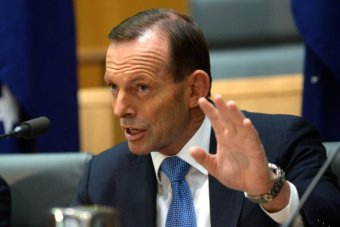
If you want to find out even more, admire the picture, imagine Abbott stewing in the Tea Cup and go to:  Green Tea Coalition

Green Tea Coalition

Bi-partisan Coalition of Environmentalists and tea party activists seeking common ground on common sense energy solutions for a stronger American economy.
ABC’s Sarah Ferguson accused of bias

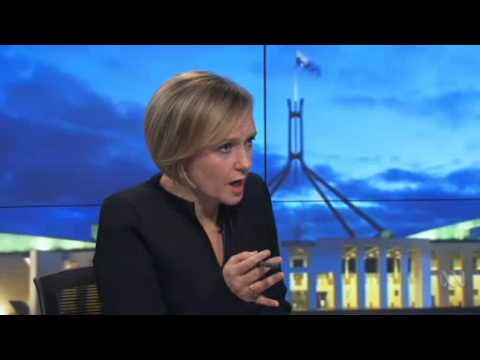
Ferguson

In a commissioned review Fairfax’s Colleen Ryan found that Ferguson’s opening question to Joe Hockey on the 2014 budget was “emotive” and would lead to the average viewer thinking the treasurer “was not treated with sufficient respect by the interviewer”.

Ferguson’s opening gambit to Hockey was: “It’s a budget with a new tax, with levies, with co-payments. Is it liberating for a politician to decide election promises don’t matter?”

Ferguson, who pressed an uncomfortable-looking Hockey on the fairness of the budget and its reversal of pre-election promises, homed in on the deficit levy and Medicare co-payment, which Hockey referred to as “tax adjustments”.

“They’re still taxes,” Ferguson said. “I don’t need to teach you, treasurer, what a tax is. You know that a co-payment, a levy and a tax are all taxes by any other name. Am I correct?”

Apparently she treated Chris Bowen in a similar manner.

I thought she treated everyone like a headmistress sorting out naughty miscreants. Because she was generally well-informed and incisive I rather enjoyed her style.

The ABC has defended her:

“As a political interviewer, Ms Ferguson is tough but demonstrates a consistently civil and objective approach,” said Kate Torney, director of ABC News.

“She is insistent that those she interviews do not evade important questions and often focuses on contradictions either within policy positions or in the responses of interviewees.

“The fact that this may make interviewees ‘uncomfortable’ does not necessarily mean that the interviewer is either aggressive or is failing to demonstrate due impartiality.”

Torney said the ABC “does not believe Ms Ferguson’s questions were hostile or unbalanced; rather they were astute and prescient”.

Generally speaking though, I think aggressive interviewing is unproductive, especially when coming from an ill-informed base, which unfortunately is what we get all too often.

The whole affair has become problematic for the ABC because it has been reported in a biased way. Note that The Guardian report linked above speaks of what the average viewer might think. It hasn’t reported a finding of bias as such. But elsewhere we have:

Alan Sunderland as Head of Editorial Policy tells the real story:

Colleen produced an excellent and comprehensive report. Her overall judgement was that our coverage complied with all of our policies and guidelines and the overall quality was “excellent”. At significant length, the report discusses all aspects of the coverage and provides a series of observations on ways it might have been improved, expanded or extended.

When it came to the detail, the report analysed 76 different pieces of content over several days, and in all of that it singled out only three items for particular mention. One of them was the Sarah Ferguson interview.

While stressing that the issue was subjective and her view related only to a “potential perception”, Colleen Ryan suggested that some questions were asked in a way that might raise perceptions of bias because of tone and phrasing. While acknowledging that all the questions were accurate and appropriate, and that Sarah Ferguson had a reputation as an interviewer who asked equally tough questions of all sides, she nonetheless wondered whether enough respect was shown to this interviewee.

He says it was a worthwhile question to ask, and the whole point of seeking outside views is to raise honest questions.

Thankfully the ABC will continue to monitor its performance with such external reviews and publish the results in a transparent way. It’s critics in the MSM should do likewise.

Marcia strikes

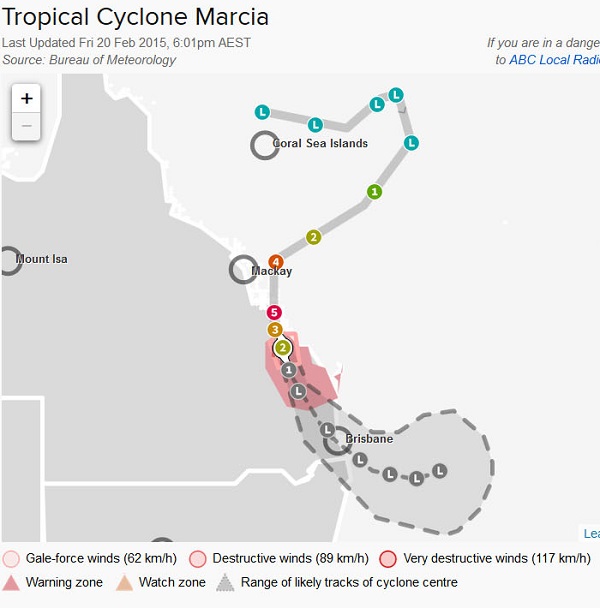
Mercifully Cyclone Marcia made landfall at Shoalwater Bay, a military training area between Yeppoon and Sarina, south of Mackay. The ABC coverage shows how it zigged and zagged after getting up steam in the Coral Sea:

Marcia_cropped_600

It headed for Mackay and then side-stepped. Perhaps Kolobok Norris was out there on the beach waving his fists! I do hope he and Graham Bell were safe.

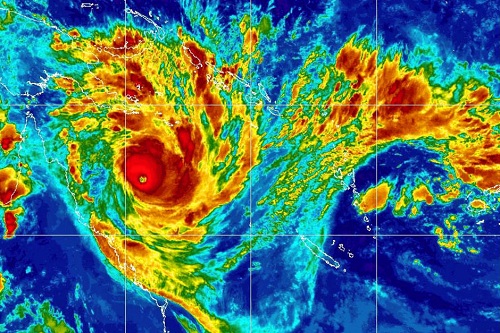
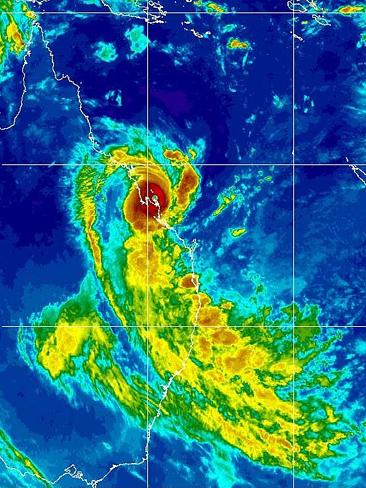
It gathered strength to become a category 5, but not nearly as big bad or ugly as Yasi. Nor will it penetrate as far into the inland, where large tracts remain parched.

Here’s an image of Yasi:

Yasi 2 Fe 500

Here’s the equivalent of Marcia:

955288-546ca44e-b899-11e4-a901-79cc3d20af7b

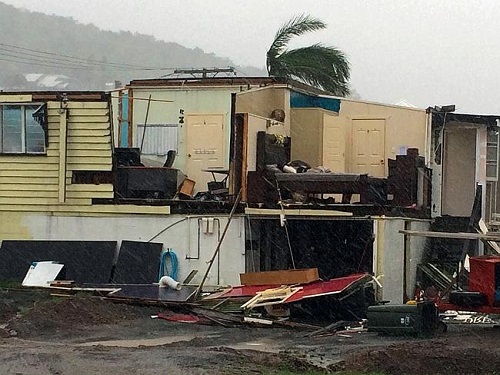
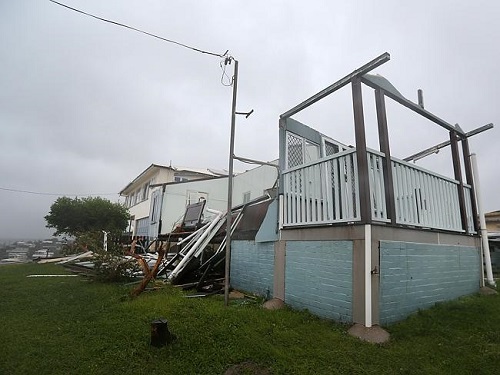
Cat 5 cyclones can destroy buildings. The Courier Mail has a photo gallery, including this:

632633-4b486eea-b8c9-11e4-a005-b478f5906d65_500

Here’s another:

675428-218ffec4-b8c9-11e4-a005-b478f5906d65_500

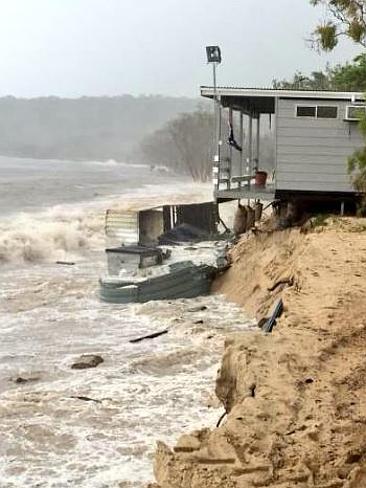
There was a three metre tidal surge and with significant erosion a tourist cabin fell into the sea on Great Keppel Island:

389975-b268ae1c-b89e-11e4-a901-79cc3d20af7b

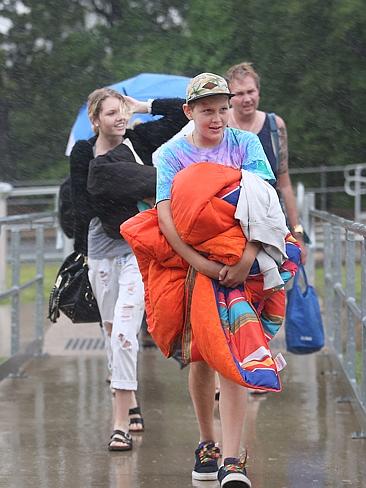
There will be a lot of personal stories of danger, escape and loss:

603359-0885b52e-b88b-11e4-a005-b478f5906d65

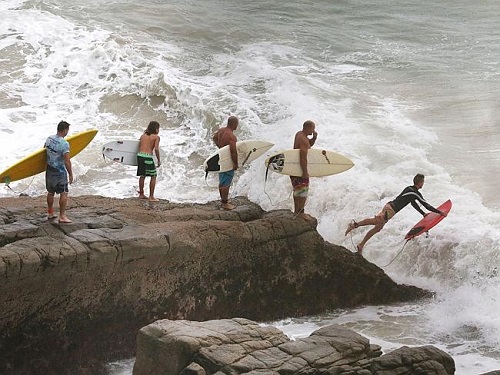
Some people, especially surf board riders, seem to be energised by these events. Here at Noosa they line up for their turn:

611276-4f224e56-b87d-11e4-a005-b478f5906d65_500

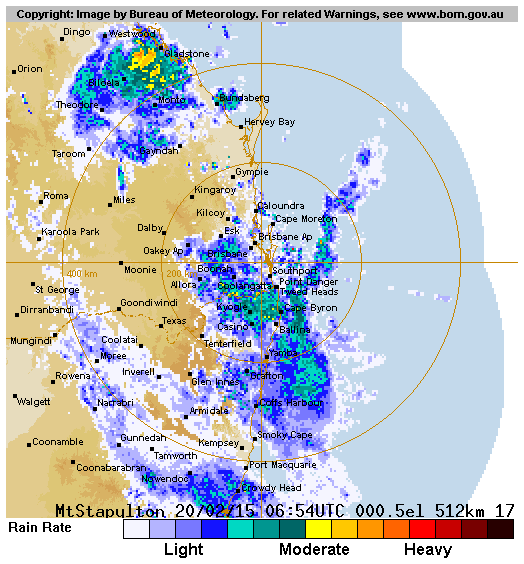
Here in South-east Queensland we’ve had a substantial rain depression for a couple of days. I gather it is related to Marcia but there is clear air between them as seen from this BOM screenshot late on Friday:

IDR661

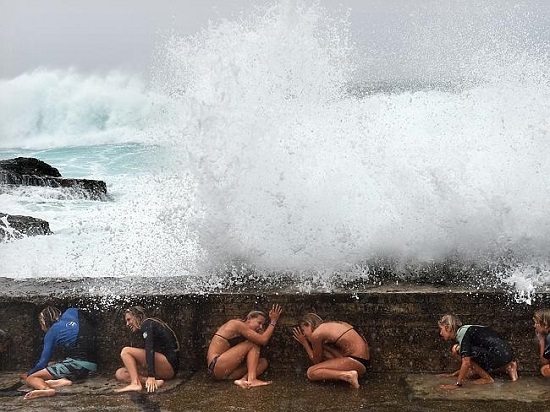
Considerable swells have already battered then Gold Coast:

760379-478b27bc-b8aa-11e4-a901-79cc3d20af7b_550

Here in Brisbane we await the remnants of Marcia. I gather we are in a 12 hour interval which is like being in the eye of the storm. So far at our place we’ve had about 150 mm or six inches in the old money. We are assured that the main issues will be creek flooding and wind, with the possibility of trees bringing down power lines, hence blackouts and/or blocked roads. We are assured that it will be nothing like the floods of 2011. In fact we may get our reservoirs recharged which currently sit at a bit over 80%.

In the NT Cyclone Lam crossed the coast about 440 km east of Darwin, hitting some remote communities.

At time of posting (2 am) it looks as though Marcia has significantly fizzled and is mainly sliding through to the west of us. We’ve certainly had enough rain and it might do some good in agricultural areas.

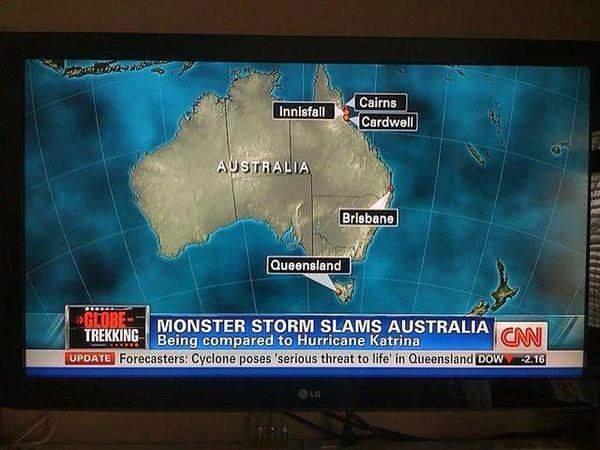
Update: Geoff Henderson has sent me a link to a CNN map shown on Facebook, with Tasmania labelled Queensland. Here it is:

10391411_909890369056003_8292222464971020012_n

Saturday salon 21/2

voltaire_230

An open thread where, at your leisure, you can discuss anything you like, well, within reason and the Comments Policy. Include here news and views, plus any notable personal experiences from the week and the weekend.

For climate topics please use the most recent Climate clippings.

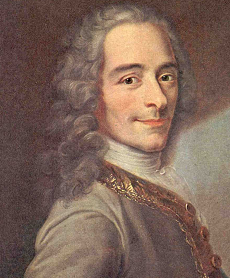
The gentleman in the image is Voltaire, who for a time graced the court of Frederick II of Prussia, known as Frederick the Great. King Fred loved to talk about the universe and everything at the end of a day’s work. He also used the salons of Berlin to get feedback in the development of public policy.

Fred would only talk in French; he regarded German as barbaric. Here we’ll use English.

The thread will be a stoush-free zone. The Comments Policy says:

The aim [of this site] is to provide a venue for people to contribute and to engage in a civil and respectful manner.

Here are a few bits and pieces that came to my attention last week.

1. Brandis staffer oversees Labor meeting with Gillian Triggs

This scungy mob don’t know how to behave.

When Mark Dreyfus, shadow attorney general, met human rights commissioner Gillian Triggs Brandis’s deputy chief of staff, Josh Faulks, turned up at the commission’s Sydney office at the appointed time for the meeting. Both Dreyfus and Triggs asked him to leave.

Faulks refused, saying he was acting on the instructions of the attorney. The meeting proceeded with Faulks watching.

The Human Rights Commission is an independent statutory body.

At the same time Abbott refuses requests from Triggs for a meeting and Brandis has been unable to find time in recent months.

Simply outrageous.

2. Abbott wades into the Bali nine affair

When Abbott promised an “absolutely unambiguous” response if Bali nine the executions went ahead, I was inclined to agree with him. I thought there should be some very overt sign of our displeasure if our neighbours kill some of our citizens. However, I thought, now is not the time to be saying this.

I also thought it was very bad form to remind Indonesia about the help we gave them during the aftermath of the Aceh tsunami. Surely we gave help because it was needed, not in the hope of future favours.

It seems that Abbott’s intervention was a real diplomatic clanger and may have undid much of the carefully crafted strategy pursued by Julie Bishop and others. Lets hope no-one takes the clown too seriously. Certainly Julie Bishop made clear to RN Drive that aid was a quite separate issue.

3. Remembering the freedom rides

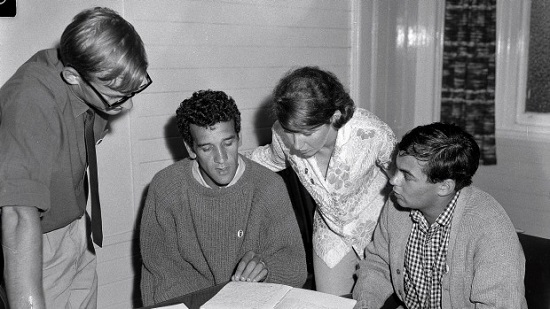
Nearly every week we remember some significant event of the past. This week it was the freedom rides of 50 years ago. Ann Curthoys and Brian Aarons remember:

We travelled by bus to protest against racial discrimination against Aboriginal people in New South Wales country towns such as Walgett, Moree, Bowraville and Kempsey.

Although we had done our best to prepare, the non-Aboriginal students were shocked by what we found: desperately poor living conditions on fringe settlements, missions on which white managers controlled every aspect of Aboriginal people’s lives, white people convinced of their racial superiority, and exclusion of Aboriginal people from the basic amenities of a country town.

So, we protested against the exclusion of Aboriginal people from RSL clubs in Walgett, swimming pools in Moree and Kempsey, and picture theatres in Bowraville.

The SMH tells the story of the re-enactment. Here John Powles, Charles Perkins, Patricia Healy and Jim Spigelman plan the ride:

Freedom rides_1424227244392_550

How much has changed? A lot, but there is more to go, according to this account of Moree then and now.

4. Remembering Dresden

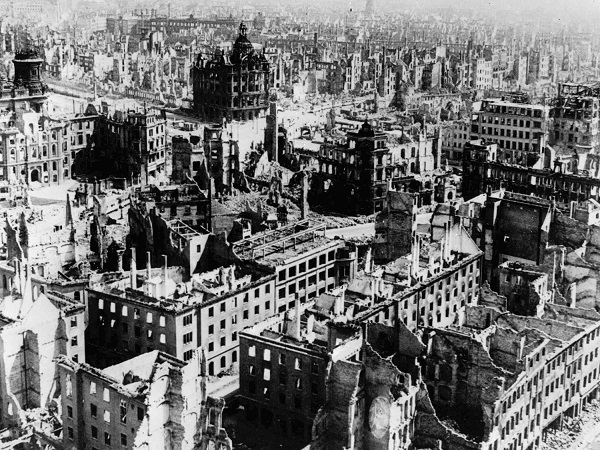
Just a week ago, on 13-14 February, we remembered the 1945 carpet bombing of Dresden and the consequent fire-storm in which at least 25,000 people died. There are some historic pictures at The Atlantic:

Dresden_main_600

The Daily Mail concentrates on photos of the commemoration, including the magnificent rebuilt Frauenkirche. It also includes historic photos towards the end.

Scary berries: trusting the food we eat

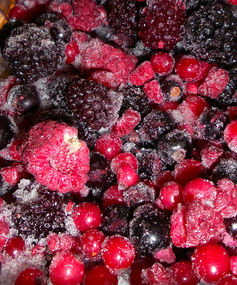
As of Wednesday evening 14 cases of hepatitis A have been linked to frozen berries. More are expected. Schools are on the alert as the berries have been used and consumed in cooking classes. At least one preschool used the berries to make smoothies for an afternoon snack.

Agriculture Minister, Barnaby Joyce, said the government was considering a review of testing on imports under Food Standards Australia and New Zealand (FSANZ) as more hepatitis A cases turned up. His department wrote to the Chinese government to ask for assurances on the food testing measures.

As for the government doing anything concrete Abbott has virtually ruled it out, saying that it is the responsibility of businesses ‘not to poison their customers’. A crackdown would just add to the cost of food, he says.

Meanwhile Patties, the company concerned, has cast doubt on the quality of Australian produce, angering growers.

Patties say their:

“policy was to acquire Australian fruit wherever possible,” despite the fact in the past two years it sourced berries from China, New Zealand, Canada, Chile, United States, Greece, Turkey and Serbia.

In this case:

The four recalled products – one-kilogram packs of Nanna’s Raspberries and Frozen Mixed Berries, as well as 300 gram and 500 gram packs of Creative Gourmet Mixed Berries – were largely sourced and packed in China. (Emphasis added)

Berries_7cfba687-d52b-425e-a54c-a85487fcce83-550_550

The Conversation has an explainer.

Hepatitis A can come from the berries being grown in infected water, washed in infected water, picked or packed by people carrying the virus, getting contaminated by infected animals, such as livestock, rats, mice or bats, at some stage in the production cycle, or mixing with other ingredients contaminated with hepatitis A virus during processing.

The infection can be inside the berry itself.

About 90 per cent of China’s groundwater is polluted, 65 per cent severely so, with contaminates such as pesticides, fertilisers and petrochemicals, a report from the Centre of International Security Studies at Sydney University showed.

The real problem, however, is faeces. Human poo is used in China as fertiliser. I understand that customs don’t test for bacterial or viral pollution. I did hear that the berries were now sent to an overseas lab for testing. Are we a first world country?

A new focus has come on labelling. Consumers want it, there have been endless inquiries, and exactly nothing happens. Choice tells us we are stuck with statements like ‘Packed in Australia using imported fruit’ or ‘Made in Australia using local and imported ingredients’ which offer very little information about a product’s origin and are largely meaningless to consumers.

It looks as though Joyce wants to do something about labelling, but I think it lies in the health portfolio. At least eight governments have to agree. Without the support of the PM who seems to have made up in his mind in the negative, nothing will happen

Ironically the Chinese would rather eat our fruit than their own if they can afford it, but there is no provision to export our produce directly to China. It has to go through third countries. We are currently working on a trade deal with China. Andrew Robb, please note!

Antony Green’s voting analysis

Labor received 51.1% of the two-party preferred vote to the LNP’s 48.9%, according to Antony Green. This represents a swing to Labor of 14.0% since 2012.

That margin was greater than Anna Bligh achieved in 2009 and should have resulted in a comfortable win. However much of Labor’s vote is locked up in safe seats. Labor has 15 seats on more than 10%, compared to the LNP’s 10. Labor has two on over 20% to the LNP’s none.

At the other end of the spectrum, the LNP has four on a margin of less than 1% compared to Labor’s one. The LNP has 12 seats on less than 3% to Labor’s seven.

Labor won in Brisbane and the regions, especially the north. The swing was greatest in outer Brisbane (17%), defined by the seats in the Moreton Bay, Redlands, Logan and Ipswich local government areas. Labor holds no seats on the Gold Coast or Sunshine Coast.

On preference flows, fewer votes were exhausted this time.

There were 71 electorates that finished as two-party preferred contest in both 2012 and 2015. In 2012 the distribution of all minor party preferences in these seats split 27.0% to Labor, 22.0% to LNP and 51.0% exhausted. In 2015 the same figures are 47.8% to Labor, 15.9% to the LNP and 36.3% exhausted. With 18.2% minor party and independent vote in these seats in 2015, changed preference flows have added 3-4% to the swing.

The union campaign to “put the LNP last” seems to have prevailed over the LNP’s injunction to “just vote one”.

Had preference flows in 2015 been at the same rate as in 2012, Labor would not have won Bundaberg, Ferny Grove or Maryborough, and would have struggled to win Mount Coot-tha.

Labor won the race for both Katter and PUP preferences.

Together Palmer United and Katter preferences split 38.7% to Labor, 20.6% to the LNP and 40.1% exhausted.

As for the Greens:

In 2015 Labor received around 20% stronger preference flows from the Greens. In 2012 the big first preference gap delivered a boost to the LNP through exhausted preferences, a factor less relevant in 2015. On a Green vote of 8-10% in most urban seats, the change in preferences delivered an extra 2-3% to the swing to Labor after preferences.

There has been a pathetic attempt to suggest that Labor has no mandate, because the LNP got more first preference votes. Green’s analysis rather gives the lie to that claim. The LNP are lucky they got as many seats as they did.

Finally, and not from Green, if you want to shorten Annastacia Palaszczuk’s first name, friends and family call her Stacia.

Abbott: a prime ministership in its death throes

Ruddock_1423971165410_500

Nicholas Stuart thinks that when Tony Abbott sacked Chief Whip Philip Ruddock he lost the conservative core of the Liberal Party.

From the moment Ruddock’s removal was announced, late on Friday afternoon as part of a desperate attempt to bury the revelation, it became quite apparent Abbott’s time is up. His prime ministership is in its death throes. The only question is when. The issue that decides the timing of his demise will be the budget.

On the budget Stuart thinks Joe Hockey has simply given up and Mathias Cormann can’t do it on his own.

The key question facing Liberals when the party next meets in March is whether a new leadership team can craft a budget in the time available. Urgent action is required to both raise income and curb spending. The biggest problem for business confidence at the moment is that no one trusts the direction of the government. This crisis becomes apparent if you project the forward estimates out beyond the budget. Expenditure is growing faster than revenue. It’s unsustainable.

Meanwhile Abbott tries to distract us with talk about bad people treating us like mugs and terrorism. When Parliament meets next week he is going to address the gathered assembly on security.

Stuart finds that it is “in the national security space that Abbott’s egregious blundering has becoming most apparent.”

In Iraq our troops effectively watch from the sidelines. Iraq doesn’t even want our aircraft based there.

On submarines “Abbott wants to blind us into a tight alliance against China and he’s selling out our manufacturing and intellectual industries while he does so.”

Abbott has no concept of Australia producing anything. Defence research has been slashed, and now the government’s arbitrarily changing specs for our new armoured vehicle project.

On pay and conditions:

Effectively cutting remuneration for those in uniform is not just political suicide, it’s economically idiotic. It targets morale. It should also be a great way to win votes in marginal electorates – for Labor.

In the Fin Review Phillip Coorey says (paywalled) says MPs are angry and that the Ruddock sacking beggars belief.

He says that Ruddock struggled to get a hearing with Abbott, so he encouraged back benchers with concerns to take them to the Prime Minister’s Ofiice. There they were either refused a hearing or had their concerns dismissed.

One MP reported that under Howard the Chief Whip always attended full ministry meetings but this practice was stopped under Abbott.

Mungo MacCallum thinks the problem is with Abbott’s style:

Abbott has always believed that the best, indeed the only, form of defence is attack. At a long-ago bout in Oxford, an admiring reviewer said of the then Rhodes scholar: “No-style Abbott’s a real smasher!”

He won both that fight and a university blue, and in the 35 years hat have followed, not much has changed. Our Prime Minister is still reluctant to consult and conciliate when unbridled aggression will suffice – and it’s more fun, too.

Meanwhile Essential Poll found that LNP voters were spit over whether Abbott should stay on as PM.

Some 48% of LNP voters believed Abbott should stay on as leader until the next election, 34% said he should be given six months to improve and 14% said he should be removed immediately. Overall though:

39% said he should be replaced as soon as possible, while 22% gave him six months and 28% said he should be kept on until the election.

At New Matilda Ben Eltham writes that Tony Abbott’s biggest problem is not leadership instability, it’s the economy. The government has been asleep at the wheel on the economy from the outset and now is in a state of paralysis, more concerned with its own political survival.
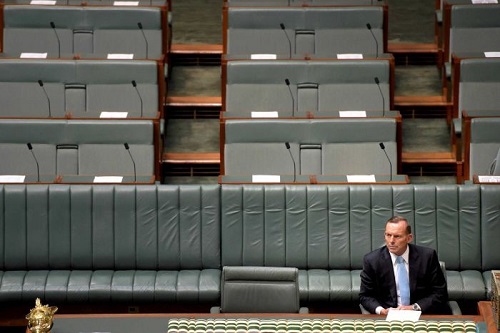
The previous post on the Ruddock sacking is here.

Abbott sacks Philip Ruddock

Tony Abbott has sacked Philip Ruddock, father of the house and government whip.

Veteran Liberal MP Philip Ruddock has been sacked as chief government whip in the wake of the failed leadership spill motion, a move one MP likened to the start of “the night of the long knives”.

Mr Ruddock, who is currently the longest-serving member of the House of Representatives, will be replaced by Queensland MP Scott Buchholz.

Tasmanian MP Andrew Nikolic, a prominent supporter of the Prime Minister, will also be promoted to a whip position.

Some senior ministers hold Mr Ruddock partly to blame [for the narrow loss of the leadership spill], saying one of his roles should have been to rally support for the leader.

But others believe his job is to act as a sounding board for the backbench and to pass on MPs’ concerns to Mr Abbott.

They say if that had happened, the Prime Minister would have been forewarned disquiet was building in his ranks.

After the spill Mungo MacCallum wrote Call this professional politics? Then give me amateurs. Imagine his column next week!

At The Guardian:

“It seems that someone has to be blamed for the fact that they can’t count,” one Liberal told Guardian Australia. “This is shabby treatment. What is he supposed to have done wrong?

“And he shows he has the guts to sack Ruddock, but not the guts to sack [the prime minister’s chief of staff, Peta] Credlin.”

After surviving Monday’s spill, Abbott promised there would be no repercussions, saying: “I’m not into retribution. We have been an outstanding team.”

Abbott is as good as his word, and you can see how good that is!

Ruddock was first elected in 1973, that’s 42 years ago.

Elsewhere Adrian Beaumont tells us five polls released in the last week have Labor well in front, and Abbott’s approval rating continues to dive:

image-20150211-24660-10vds2s_600

Saturday salon 10/2

voltaire_230

An open thread where, at your leisure, you can discuss anything you like, well, within reason and the Comments Policy. Include here news and views, plus any notable personal experiences from the week and the weekend.

For climate topics please use the most recent Climate clippings.

The gentleman in the image is Voltaire, who for a time graced the court of Frederick II of Prussia, known as Frederick the Great. King Fred loved to talk about the universe and everything at the end of a day’s work. He also used the salons of Berlin to get feedback in the development of public policy.

Fred would only talk in French; he regarded German as barbaric. Here we’ll use English.

The thread will be a stoush-free zone. The Comments Policy says:

The aim [of this site] is to provide a venue for people to contribute and to engage in a civil and respectful manner.

Here are a few bits and pieces that came to my attention last week.

1. Paluszczuk premier at last

Palaszczuk_6093548-3x2-500

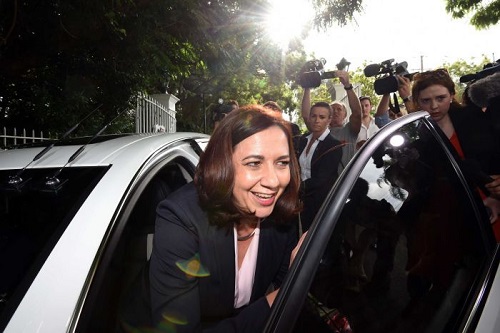
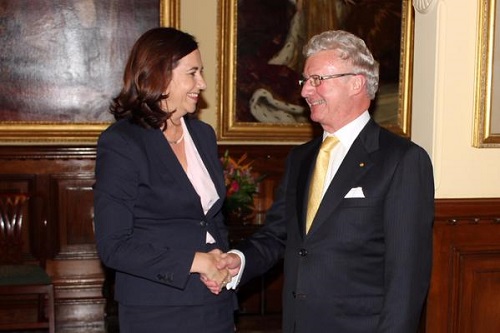
Annastacia Palaszczuk has been invited to form government, with the interim ministry to be sworn in on Saturday. Most likely she will start with a couple of key ministers and wait for the arrival of the newly elected members before finalising her ministry.

Former Labor treasurer Terry Mackenroth has been assisting Palaszczuk in transitioning to Government. It was revealed yesterday that he has been assisting her for the last six months.

The Electoral Commission of Queensland (ECQ) has decided not to lodge a petition with the Court of Disputed Returns for the seat of Ferny Grove following additional legal advice.

ABC full Queensland election coverage is here. Ours is here.

Elsewhere at Overland Mark Bahnisch has written another brilliant article, wrapping the election.

Palaszczuk_B9tI3PBCQAAYET6_500

[Update: Palaszczuk has announced her cabinet with 8/14 women. Leeanne Enoch, the first indigenous MP in Qld, will be Minister for Housing and Public Works, Minister for Science and Innovation.]

2. Brandis asked Gillian Triggs to resign

The attorney general sent the request to the human rights commission head in a move Labor called a ‘disgraceful attack’ on a statutory agency.

The Abbott government asked the president of the Australian Human Rights Commission, Gillian Triggs, to resign ahead of the publication of the commission’s critical report into children in detention.

Guardian Australia can confirm the resignation request, reported in the Age on Friday, and understands it was relayed to Triggs on behalf of the attorney general, George Brandis, by the secretary of his department, Chris Moraitis. It is understood that Triggs was offered another position in the same conversation.

Government backbenchers have also ramped up their public calls for her resignation and threatened a parliamentary inquiry into “bias” in her organisation.

Triggs is understood to have refused to resign from her position. She was appointed the president in July 2012 for a five-year term and can be removed for bankruptcy or serious misconduct only.

Max Chalmers at New Matilda says the coalition attacks on the Kids In Detention Report are irrational and wilfully blind.

The release of the report was always going to be accompanied by recrimination. For months the Coalition laid the groundwork, belting the Australian Human Rights Commission publicly and feeding material to The Australian newspaper, which gleefully conspired to trash an independent, public institution.

It was a pre-emptive strike inspired in part by pure malice, and in part by anticipation: they knew the report, which documents the impact of the bipartisan-backed policy of mandatory detention of children – would be devastating.

3. German higher education is free

John D brought this fact to my attention recently so I googled and here we have it:

From this semester [September 2014], all higher education will be free for both Germans and international students at universities across the country, after Lower Saxony became the final state to abolish tuition fees.

Education is the responsibility of 16 autonomous states in the German federation. There are 379 higher education institutions with about 2.4m students.

If they can do it, why can’t we?

4. Link between lead and violent crime

The last Catalyst program (series 16, episode 2) revealed that lead particles absorbed by children correlates with violent crime 22 years later. Australia, producing a large share of the world’s lead, has some hotspots, in Boolaroo, Broken Hill, Port Kembla, Port Pirie and Mt Isa. IQ is also negatively affected.

We were told that Australia’s permissible blood levels (10 micrograms per decilitre) were twice as high as those in the US and 625 times background levels.

There’s more at the ABC, at the BBC and at Mother Jones.

It seems that the general decline in violent crime around the world may be attributable in large part to regulations governing lead in petrol.

5. Health benefits of drinking

It’s a widely held view that a glass of red wine a day can be good for you. Unfortunately new research shows that not to be the case. Associate Professor Emmanuel Stamatakis from the University of Sydney:

we found that the protective effect reported previously in fact could be an artefact, a statistical artefact relating to the way the study was designed.

What we thought was an established fact turned out to be a methodological error:

The old methodology compared drinkers with non-drinkers. But ex-drinkers where also included in the group of people considered non-drinkers – some who had been directed to stop drinking alcohol for health reasons.

The new research compared drinkers to non-drinkers only, and consequently could not find any evidence that drinking in small amounts can be good for you.

Sorry!

Meat eaters’ alert: the planetary and the personal

Farming is now worse for climate than deforestation writes John Upton at Climate Central.

And the finger points at red meat.

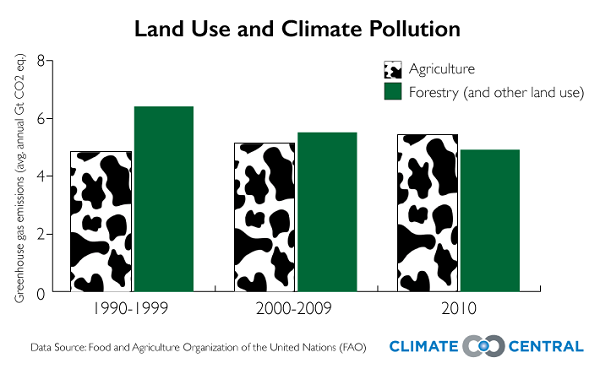
A new study reported on by Upton says that burning fuel produces about four times more climate pollution every year than land use. Nevertheless land use remains an important consideration. Within land use, climate pollution from deforestation has declined over the last decade or two, while agriculture is increasing:

Land use_2_2_15_John_FAO_AFOLU_table1_logo_600

Greenhouse gases released by farming, such as methane from livestock and rice paddies, and nitrous oxides from fertilizers and other soil treatments rose 13 percent after 1990, the study concluded.

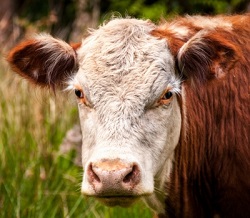
Within agriculture, ruminants produce two thirds of the pollution, with cows and buffalo the worst offenders.

Cows_2_3_15_upton_cow_400_350_s_c1_c_c_250

Climate talks have focussed on deforestation. REDD (Reducing emissions from deforestation and forest degradation) has been a major focus of UN climate negotiations, whereas agriculture has been neglected.

Some countries, particularly India, have been averse to discussing agricultural impacts during U.N. climate negotiations — largely because they fear that the outcomes of such talks could reduce agricultural output and worsen food shortages. “Poor countries are not going to sit idly by and just impose reductions in food production to meet greenhouse gas reduction targets,” Schwartzman said.

Doug Boucher, the director of climate research at the Union of Concerned Scientists, says agriculture’s climate impacts could be reduced without taking food off tables. Reducing the overuse of fertilizers, protecting the organic content of soils by changing farming practices, and keeping rice paddies flooded for fewer weeks every season could all contribute to a climate solution, he said.

The biggest opportunities for reforming agriculture’s climate impacts can sometimes be found miles from where any food is grown. Reducing waste where food is sold, prepared, eaten and, in many cases, partly tossed in the trash as uneaten leftovers or unsellable produce, reduces the amount of land, fertilizer and equipment needed to feed everybody. “Shifting consumption toward less beef and more chicken, and reducing waste of meat in particular, are what seem to have the biggest potential,” Boucher said.

Vegetarianism was not mentioned in the article.

Wikipedia tells us that there are more than 3.5 billion ruminants on the planet, with cattle, sheep, and goats accounting for about 95% of the total population.

Linda Geddes took a look at the merits or otherwise of eating meat in the New Scientist. If paywalled the article is available here.

From the 1970s eating meat was linked with colorectal cancer on a population basis. Countries which ate more meat suffered more.

In 2007 the World Cancer Research Fund pulled together the results of 14 studies, concluding that red and processed meats were “convincing causes of colorectal cancer”. Their report suggested cutting out processed meat altogether and eating no more than 500 grams of red meat per week.

Now this:

Two large studies published in 2012 found that the risk of dying from all causes – including bowel cancer and heart disease – during the study follow-up period was 13 per cent higher for people eating 85 grams of red meat per day, and 20 per cent for those eating 85 grams of processed meat. That would translate to roughly a year off life expectancy for a 40-year-old man who eats a burger a day.

As often in health research, just when all that seemed clear complications set in. Such studies are based on self-reporting as to quantity and frequency and often didn’t discriminate between types of meat or tease out links with other life-style factors. In 2013 a European study:

followed half a million people in 10 European countries over 12 years, and as well as distinguishing between consumption of red meat, white meat and processed meat, it also controlled for factors such as smoking, fitness, body mass index and education levels, all of which might be correlated with high meat consumption.

The study found no association at all between fresh red meat and ill health, but the link with processed meat remained. It found that for every 50 grams of processed meat people consumed each day, their risk of early death from all causes increased by 18 per cent.

An American study of 18,000 people found no association between deaths from cancer or cardiovascular disease and the consumption of meat, even processed kinds, but was criticised for the crudeness of its questionnaire.

Further studies have now linked haem, the component that makes red meat red, with the generation of cancer cells.

Meat, however, remains a handy nutritional package, difficult but not impossible to replace. There is this caution about vegetarianism from the European study:

Perhaps the most surprising finding from the EPIC study was that those who ate no meat at all had a higher risk of early death from any cause than those who ate a small amount of red meat.

Vegetarians don’t always make healthy food choices.

The cautionary position seems to be that small amounts of meat are good – about 70 grams per day. (This does seem very cautious in the light of the European study.) It’s not clear whether it’s best to eat a small portion each day or save your allocation for a splurge. It does matter how you prepare meat and what you eat with it. Avoid chargrilling, eat plenty of fibre and for some reason let the cooked potatoes grow cold! Best to avoid processed meat if possible.

At the production end, there is masses of grazing land in the world that can’t be cropped. The methane, however, remains a problem, which can be mitigated in various ways. That, however, is another story.

Trapped inside his own feedback loop

Tony Abbott is trapped inside his own feedback loop, understanding the world is still out there, but not really comprehending how to reconnect. He’s been gone so long now – for years. What is the pathway back?

That’s from a brilliant article by Katherine Murphy. It can be lonely at the top, but Abbott is still prime minister.

6079672-3x2-500

The opinion polls are shocking. Newspoll has Labor ahead 57-43 in two-party preferred terms. Fully 68% of people disapprove of the job Abbott is doing while only 24% approve.

The personal disapproval would not matter if the LNP was in a winning, or even competitive position. But it is not, and won’t be unless Abbott can fix the economy and the budget. On the 7.30 Report Abbott explained that he would complete “fiscal repair” by abandoning spending cuts, “putting money in families’ pockets” and giving small business a tax cut.

This has panicked the right in the party who can see the restoration of a balanced budget, or “fiscal consolidation”, disappearing over the horizon. Paula Matthewson reveals that there is a subterranean battle taking place within the party “between the right-wing conservatives who want to protect the Government’s current agenda and the moderates who seek to change it.”

Abbott is trying to play to both sides, so is adopting contradictory positions and basically floundering in an attempt to save himself. Jettisoning Joe Hockey has apparently been contemplated.

So far the only spending cut abandoned has been the parental leave scheme, which no-one except Abbott in the party seemed to favour. The conservative right will try to hold the line. The GP co-payment is actively being pursued and yesterday in parliament university deregulation, with swingeing cuts, was being vigorously defended.

Since being in opposition is unacceptable, the right will need to be desperate to go for Turnbull. Julie Bishop is not considered competent enough by the right according to Matthewson, and the right still have the numbers.

I suspect, however, that Bishop as PM and Turnbull as treasurer may ultimately prevail.

64e75bbe-afbd-11e4-9790-a811272fa372_syd-6i7a69pkta0v3tfybah--500

Most seem to think six months of poor polling will see Abbott gone, sooner if he stuffs up again.

Ben Eltam sees the spill motion as Tony Abbott’s last gasp. There will be no ‘clear air’.

Laura Tingle has been emphasising the dilemma with the budget. The revenue base is “buggered”, there are no more big saves to be made, and the ones the Government chose are locked up in the Senate.

The economy continues to struggle to reach even its long term average growth levels. Commodity prices continue to slide. The world economy is not looking great. Confidence is mediocre and not being helped by the ludicrous spectre of the implosion in Canberra.

In this milieu the government is trying to remake itself as voters fear for their jobs. The strategy of having an early tough budget and locking in “reforms” has spectacularly imploded.

Having sprung radical overhauls of education and health funding on an unsuspecting electorate and been comprehensively rejected, the government is going to have to re-prosecute the cases, and restructure its policy offerings, much closer to an election – even making them mandate issues.

Peter Hartcher tells the inside story of how the Liberal leadership duo of Tony Abbott and Julie Bishop cracked. All Tone’s handiwork. And he’s going to have to get by with less direct minding from Peta Credlin, if she stays. Apparently she will no longer attend cabinet meetings or veto ministerial staff appointments.

Finally I’d like to return to Katherine Murphy’s article. Impossible to summarise, but she is saying that to become PM he has suppressed his real nature and moulded himself to fit the role in service to others.

Being a man for others has seen Abbott lose himself, and squander the opportunity to grow beyond his superstitions and self-soothing rituals to something approximating genuine self-expression. Abbott has denied himself the chance to be interesting. His confidence and judgment have taken a hit. The prime minister conducts himself less as a prime minister and more as a prisoner who can’t persuade the screws to give him early release.

But rather than admit defeat, he fights, and swaggers, and swings between bouts of brutal introspection and outright defiance. Rather than reach out he retreats, and roils at the fickleness of everything – entreating media boosters to validate him, telling the colleagues they have no right to desert him, while pondering who he can jettison in order to save himself.

Sad, but tragic for the nation.

Unseemly squabble over keys to the Executive Building

In a sense that is what the 2015 Queensland election has come down to. From the Brisbane Times:

Newly elected LNP leader Lawrence Springborg, who is taking on the role as party leader for the fourth time, accused Labor of “trying to snatch the keys to the Executive Building”.

When the LNP was elected in 2012, it moved into the government’s George Street headquarters the very next day, but Mr Springborg urged Labor to be cautious, given the “unprecedented” Ferny Grove situation.

It is believed to be the first time in Queensland’s political history where a seat is known to be disputed before it has been called. The situation in Mundingburra did not come to light until after it had been declared.

“You could have the possibility of the government changing in the next few days and then changing again in the next month or so,” Mr Springborg said.

Springborg is arguing that an LNP caretaker government would provide necessary stability.

A flaw with that argument is that if Ferny Grove, which Electoral Commission Queensland has referred to the Court of Disputed Returns, requires a by-election the matter could take 6 months or even a year to determine.

By Wednesday Ferny Grove will be represented by a duly elected Labor member and Annastacia Palaszczuk will have the numbers to command the floor of parliament with the assistance of Peter Wellington, the independent member for Nicklin, who puts the case very well:

To put Ferny Grove into the picture is nonsense. While the seat is subject to assessment by the Courts because one of the candidates was ineligible, the fact is that it was won by Labor and Labor is entitled to include that seat in their claim to govern.

Ferny Grove could face a by-election after a Court hearing or the Court may decide that the preferences were so insignificant that a by-election is not necessary. The timeframe for this decision is uncertain. It could take over 12 months and it is unreasonable to expect Queensland to remain in a state of limbo until the outcome is known.

It is farcical for the new Leader of the LNP to seek to hold on to power until then leaving the Newman appointed senior public servants to govern the State.

The Governor has the responsibility to hand the reins of government to whoever is able to deliver the 45 seats and should not be drawn into hypothetical scenarios involving the future of the electorate of Ferny Grove.

Wellington refers to a blog post by Antony Green, which says exactly that.

Green finds the situation similar to South Australia in 2002 and Tasmania in 1989 where Liberal premiers refused to resign in the face of similar electoral circumstances. They had to go.

Labor claims Springborg has no mandate to govern. Jackie Trad told fairfax Radio:

“What happened on the 31st of January was the LNP lost the election,” she said.

“They are now – in an arrogant and dismissive way – they are still not listening to Queenslanders, trying to hold on to power.”

They want Newman out of the Executive Building at 6.01 pm on Tuesday night.

I believe Graham Orr, a QU academic who knows about electoral matters, suggested Springborg was attempting a “constitutional coup”.

I’ve also been told that Possum Comitatus reckons Springborg wants the Governor to break the relevant electoral act.

We shall see.

Another flaw in the Brisbane Times article is this bit:

While the Ferny Grove result will be sent to the Court of Disputed Returns, where a by-election is expected to be the likely outcome, results can still be declared in the meantime. (Emphasis added)

From Green’s earlier post:

However, beyond the narrowness of the result, doubt has been thrown on the election outcome following the revelation that the Palmer United Party candidate for Ferny Grove, Mark Taverner, is by credible sources an undischarged bankrupt and therefore ineligible to be a candidate for election to the Queensland Parliament.

Will this cause the courts to overturn the Ferny Grove result, order a by-election and leave the fate of government undetermined for some time?

In short – no. Resolving the Ferny Grove matter could take several months based on past Court of Disputed Returns cases, and there is nothing to stop a new government being formed in the mean time.

The Queensland Times has uncovered a Supreme Court ruling from a Moreton Shire election in 1985 which could form a precedent. A candidate’s name appeared on the ballot paper although it was discovered prior to the election that his American citizenship rendered him ineligible. The votes caste for him were simply set aside.

Meanwhile the Katter boys have released their full list of demands on the major parties. If they get their way all the money will be spent in the bush. Apart from royalties to regions, a railway line to the Galilee Basin and other boondogles, they want a series of roads projects, including an inland highway.

Springborg has apparently agreed to their demands. If so it’s magic pudding budgeting.